What is a VIP vehicle, and who is it for?
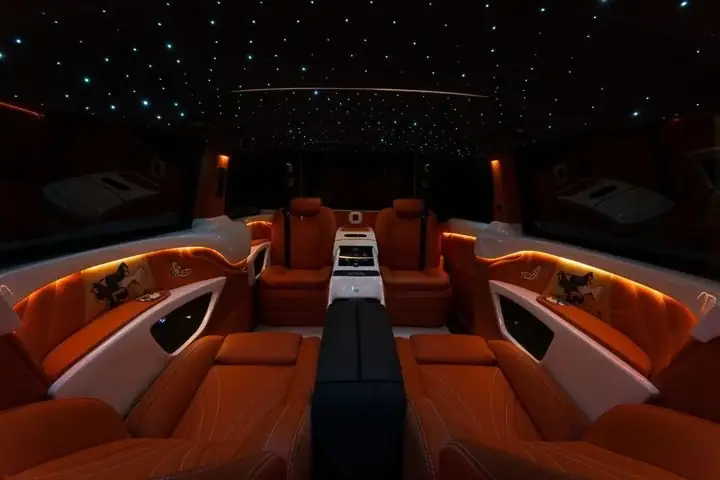
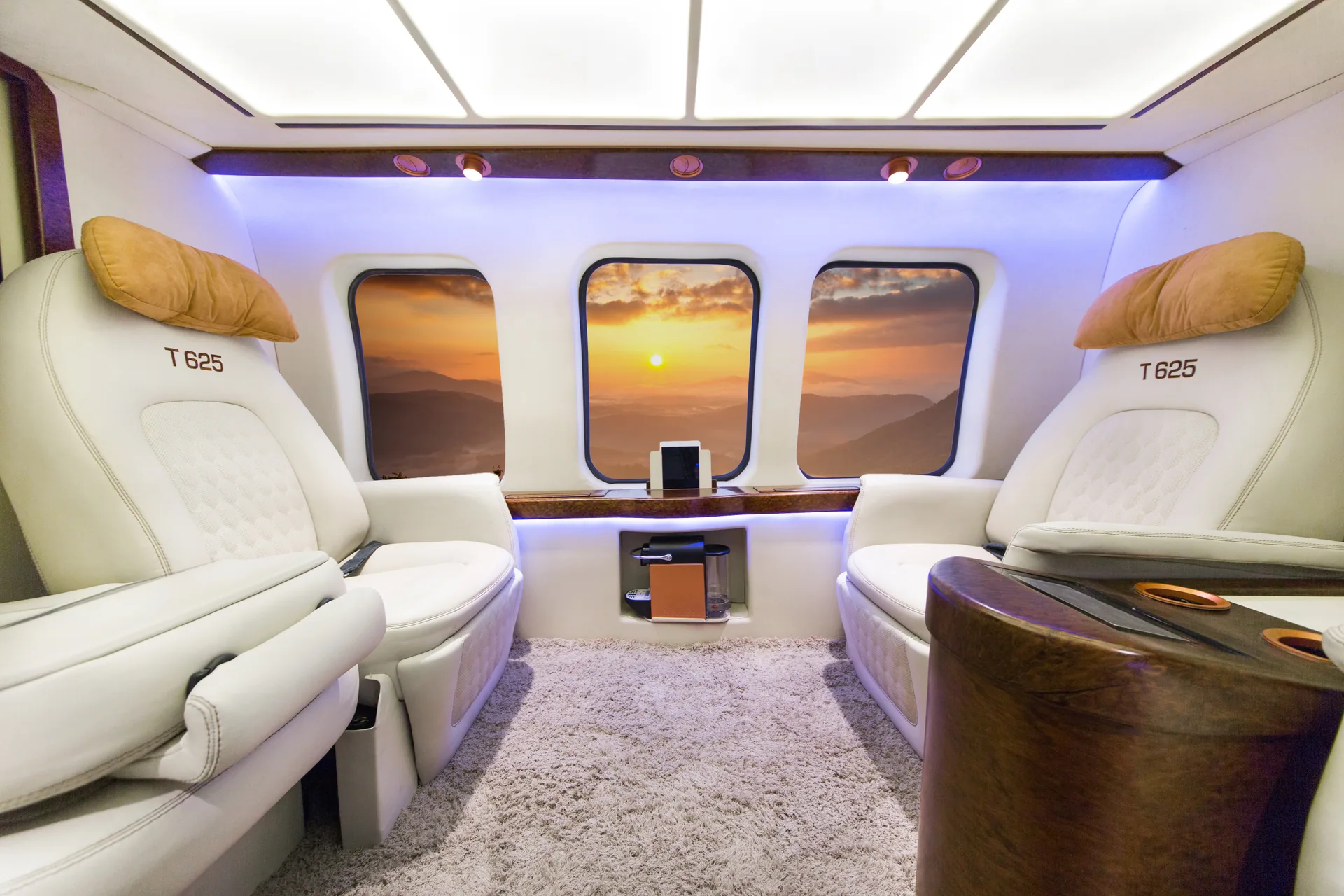
A VIP vehicle is created by redesigning a vehicle's passenger cabin around its intended use: executive travel, family journeys, a mobile office or VIP transfer. Since 1989 Ertex has done this as a separate project for every vehicle: you can choose a fully bespoke build or select the design that suits you from our ready design packages (the Ertex design series). Seats, audio, lighting, materials and technology are designed together, then engineered and produced at our facility in Ankara.
Which platform suits whom?
| Platform | Best suited to | Ertex page |
|---|---|---|
| Mercedes Vito | Executive, family and transfer use; one of the most common base vehicles in Türkiye | Vito |
| Mercedes V-Class | A more premium cabin, mobile office and private travel | V-Class |
| Mercedes VLE | The electric Grand Limousine experience | VLE |
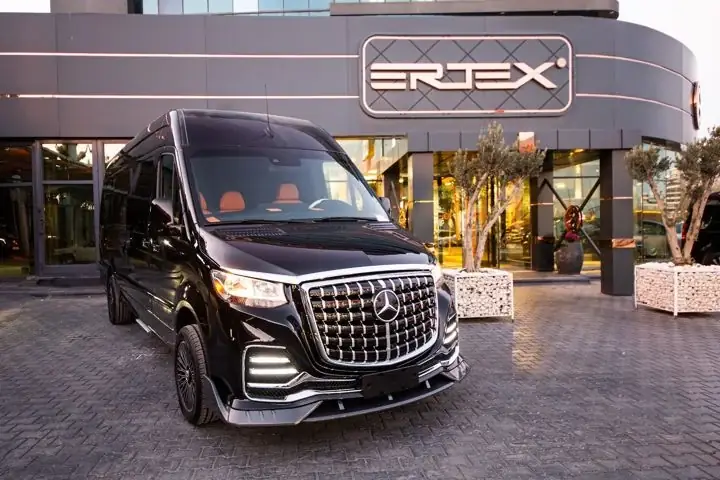
| Mercedes Sprinter | Wide walk-through space, JetVan, mobile office and lounge | Sprinter |
| VW Caravelle | VIP transfer and executive travel | Caravelle |
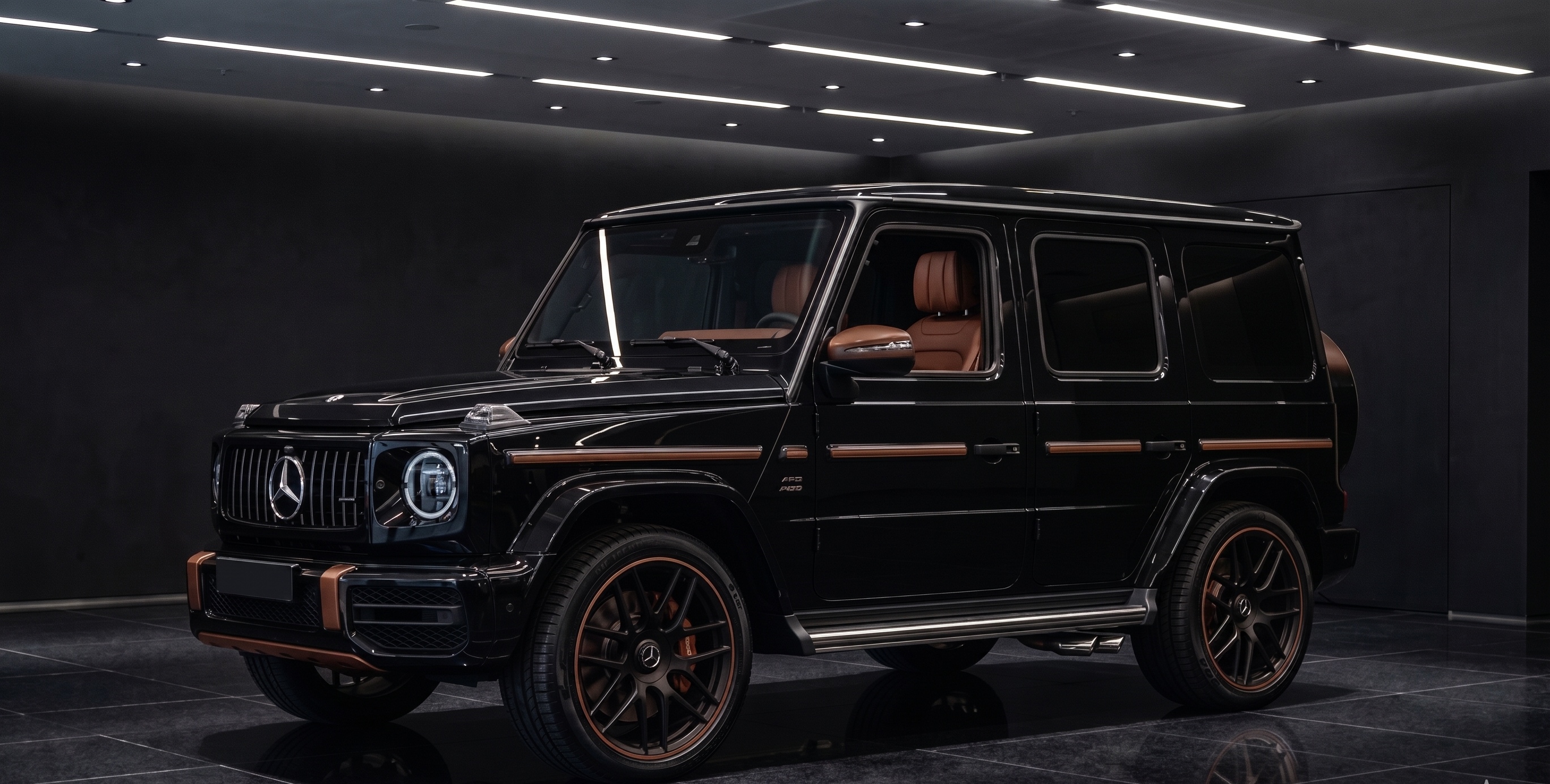
| Cadillac Escalade, G-Class | Projects requiring armored, high-level protection | Armored vehicles |
A VIP vehicle is more than a list of features
A successful cabin is planned around how the vehicle will actually be used. Passenger movement, seating posture, privacy, work, rest, storage, lighting, climate and service access must operate as one system. Ertex defines these requirements before materials and equipment are selected.
The VIP vehicle design process
| Stage | Decision | Ertex approach |
|---|---|---|
| 1. Requirements | Family, executive, transfer or multipurpose use | Passenger count, journey pattern and privacy needs are documented. |
| 2. Platform | Vito, V-Class, VLE, Sprinter, G-Class, Caravelle or another suitable vehicle | Cabin dimensions, luggage, market and technical suitability are compared. |
| 3. Design | Seats, materials, storage, lighting and technology | You choose a fully bespoke design or a ready design package (the Ertex design series); the layout is then finalised with you. |
| 4. Engineering | Mounting, weight, electrical, climate and service access | Technical decisions are coordinated with the base vehicle and project scope. |
| 5. Production | Craftsmanship, assembly and quality control | Materials and components are produced, installed and checked as an integrated cabin. |
Choosing the right platform
Compare VIP Mercedes platforms to review Vito, V-Class, VLE, Sprinter and G-Class. Other project categories include VW Caravelle, Cadillac Escalade, armored vehicles, accessible vehicles and special-purpose buses.
Safety, suitability and delivery market
Not every feature is suitable for every vehicle. The selected base vehicle, its original systems, weight limits, mounting points and delivery-country requirements determine the final scope. These conditions should be reviewed before production begins.
Plan your bespoke vehicle
Share the vehicle, passenger count, intended use and delivery country so the Ertex team can evaluate a suitable project direction.