
Armored Mercedes Sprinter
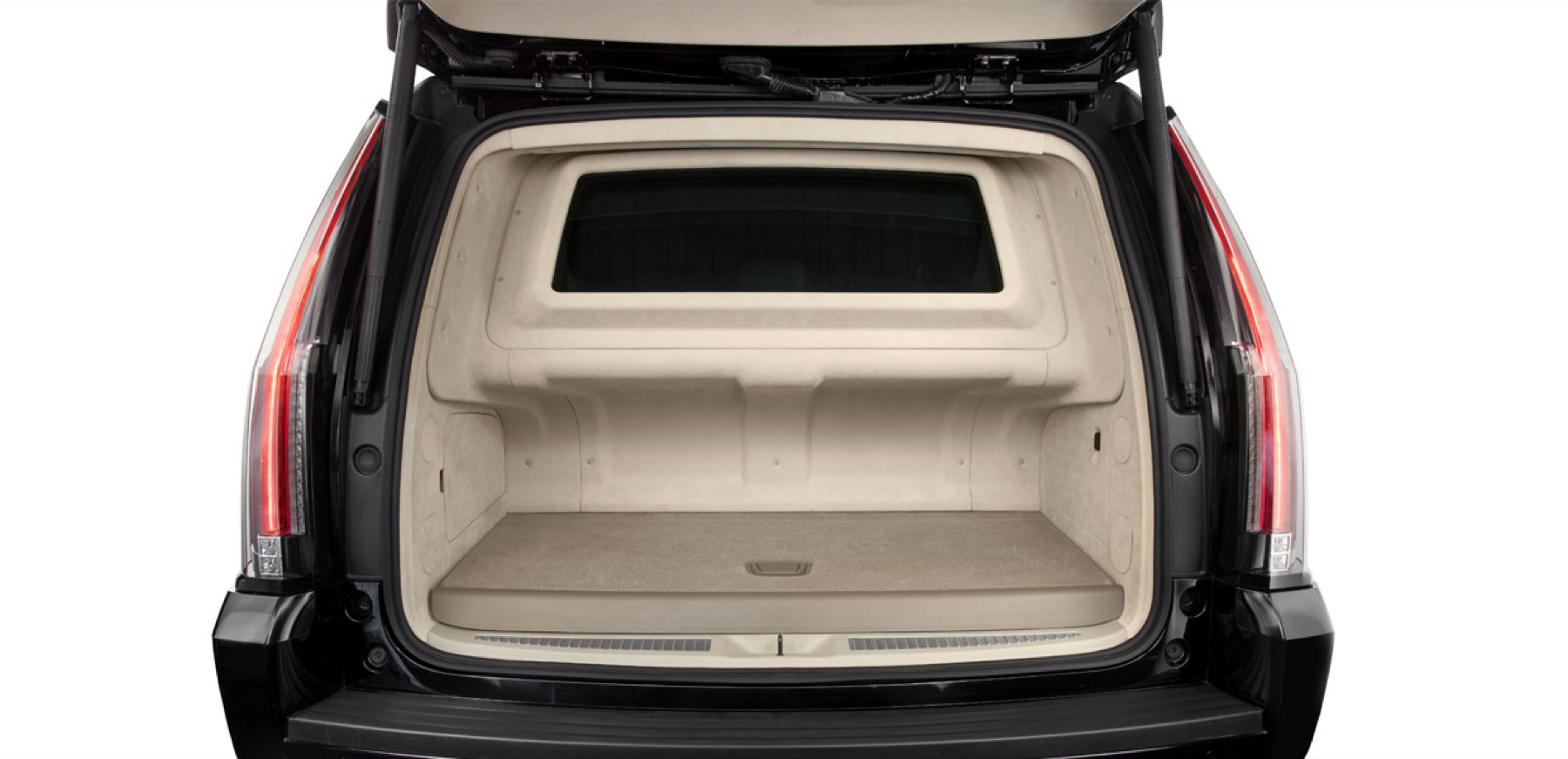
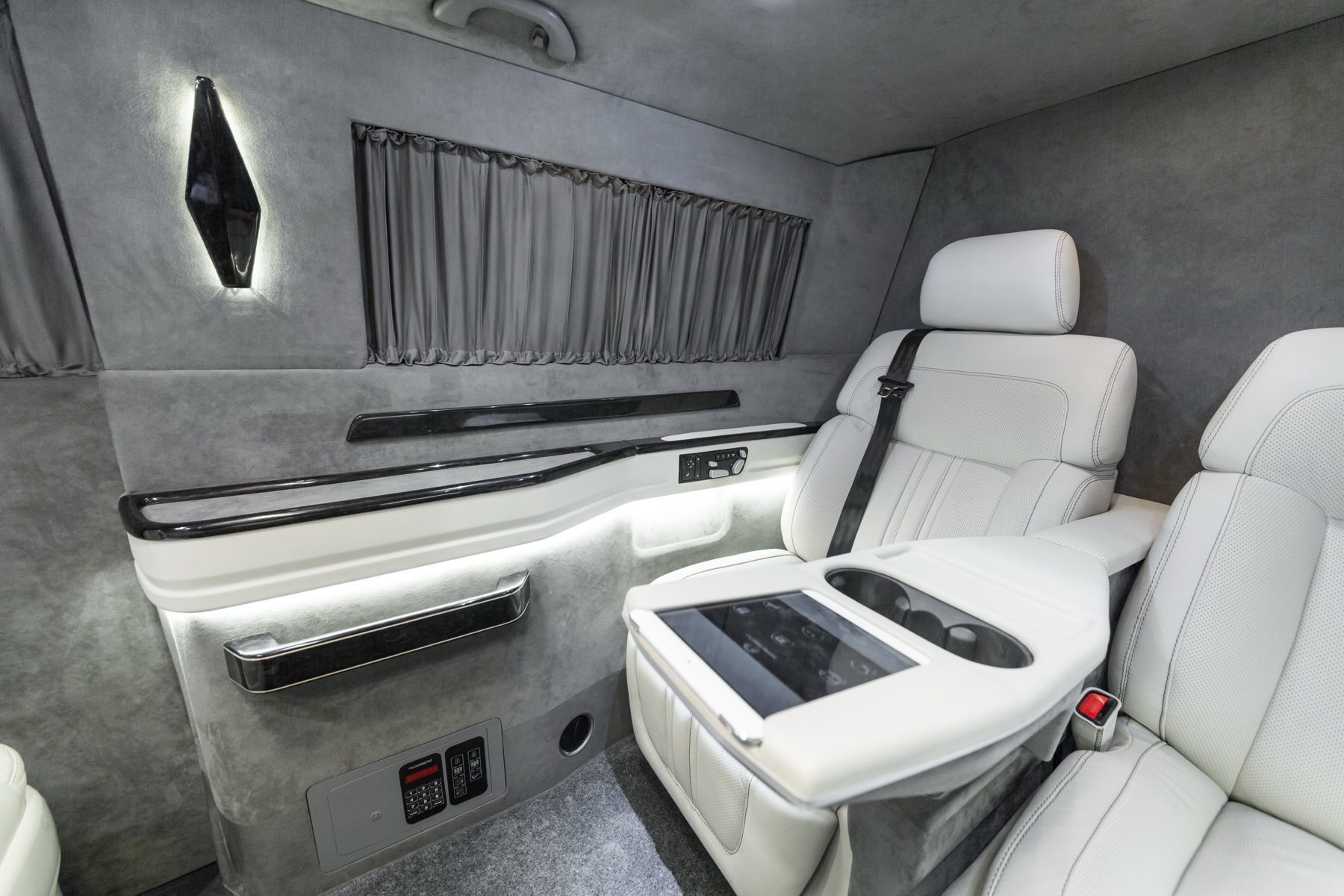
The large cabin can be planned as a protected VIP van, executive mobile office or private passenger vehicle within Ertex's approved armored vehicle production approach.
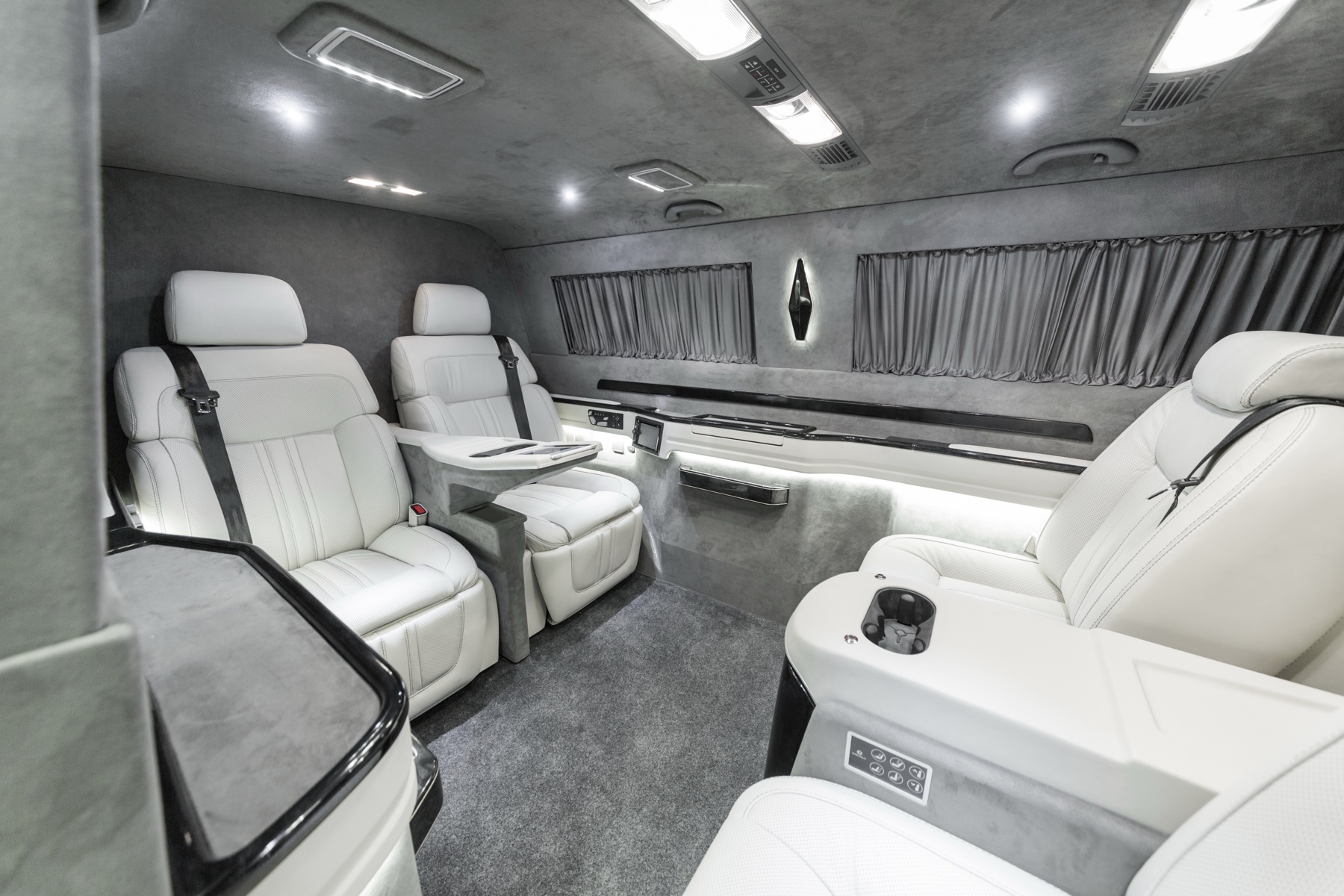
Bespoke armored luxury vehicles developed around the protection objective, platform, payload and destination-market approvals.
Ertex develops armoured VIP vehicle projects, also known internationally as armored vehicle projects, around the client's risk assessment, intended use, passenger expectations and chosen platform. The protection package, cabin architecture, payload, visibility, access, climate and service requirements are coordinated from the beginning instead of being treated as separate additions.
Ertex armored vehicle products have completed the required testing and homologation processes. Platform, protection level, payload and the VIP cabin are developed together within this approved engineering and manufacturing approach.
Use scenario, protection objective, platform, passenger layout and destination market are documented.
Opaque armor, glazing, overlaps, floor, roof and access zones are engineered as a coordinated system.
Seating, partition, controls, climate, lighting and materials are developed around the protection package.
The Ertex production standard, supported by completed testing and homologation, is applied throughout the project.
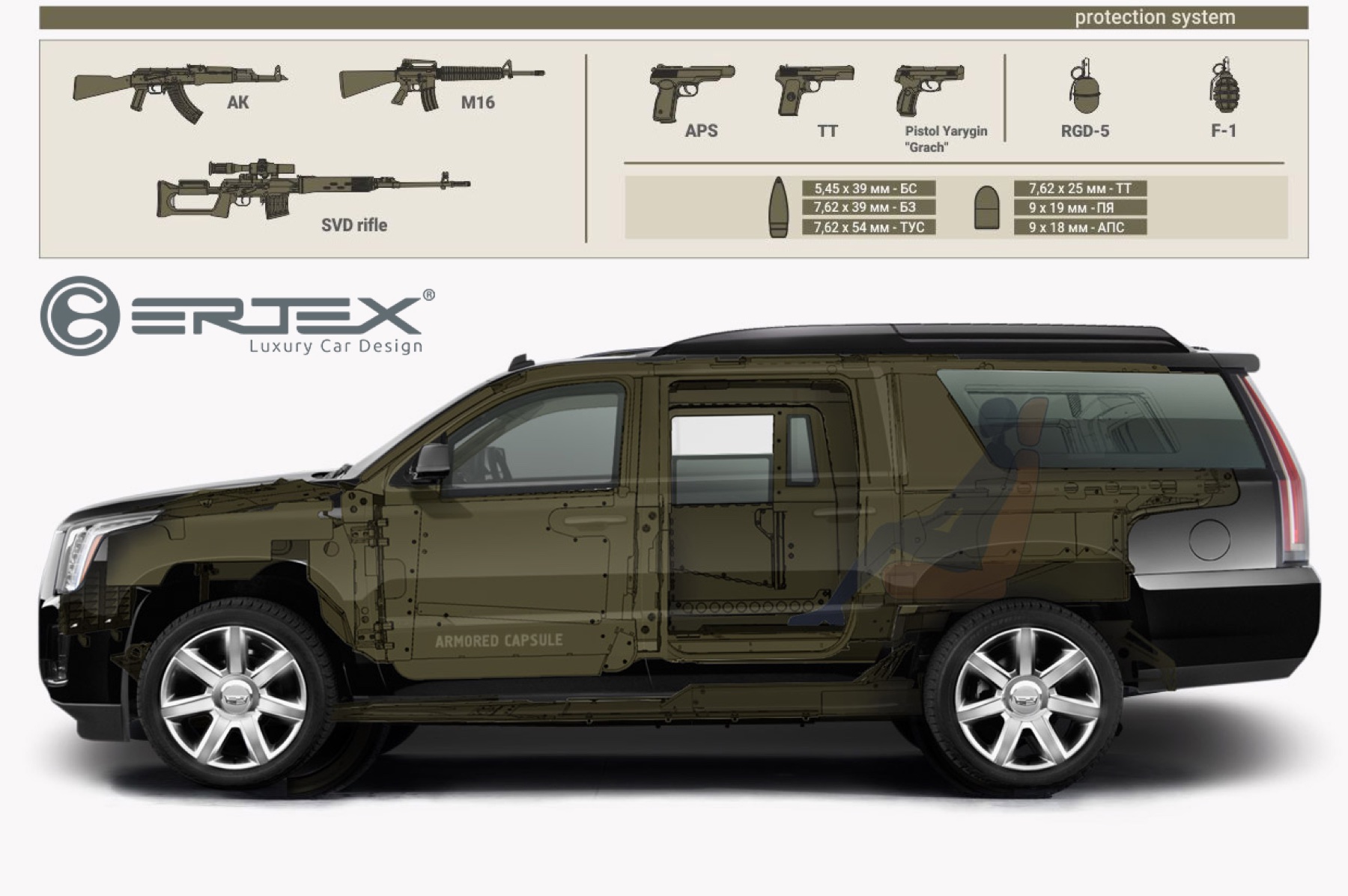
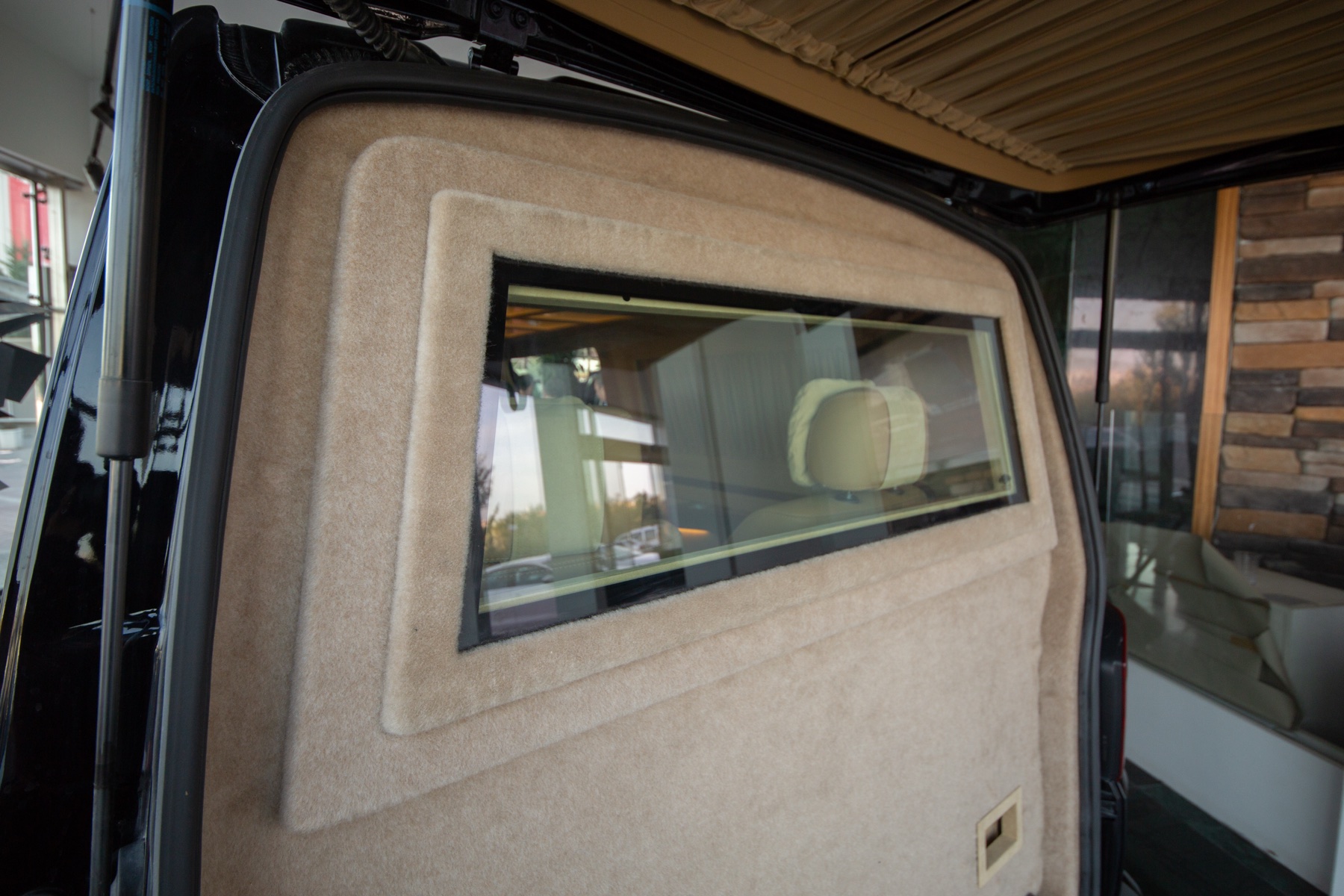
The passenger cell is evaluated as a continuous protection system. Doors, pillars, glazing, roof, floor, rear section and transition overlaps are coordinated while vehicle balance, access and serviceability remain part of the engineering brief.
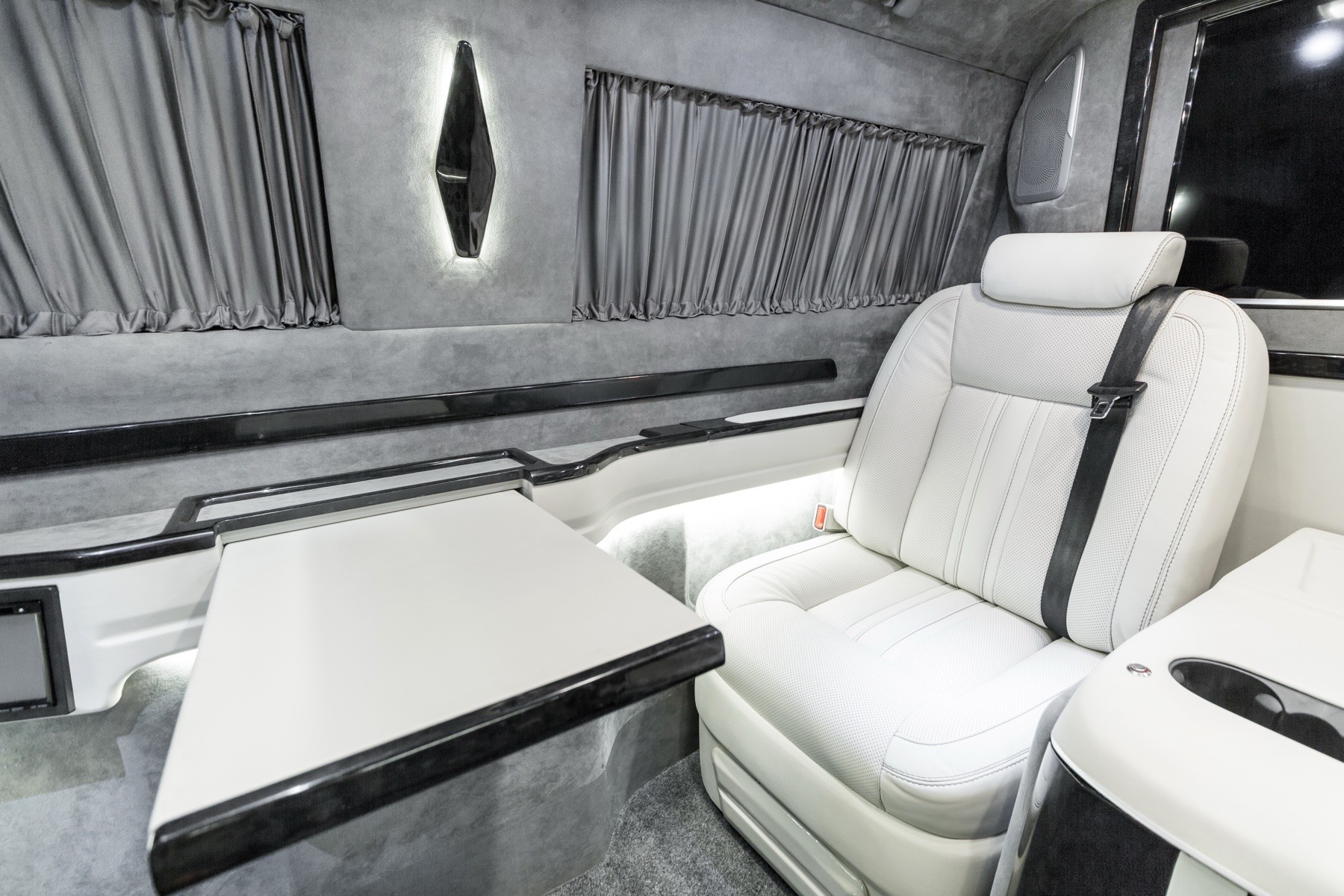
Seat geometry, upholstery, work surfaces, passenger controls, lighting and storage are tailored to the owner. Protection-related packaging is integrated discreetly so the cabin preserves the calm, finish and functionality expected from an Ertex interior.
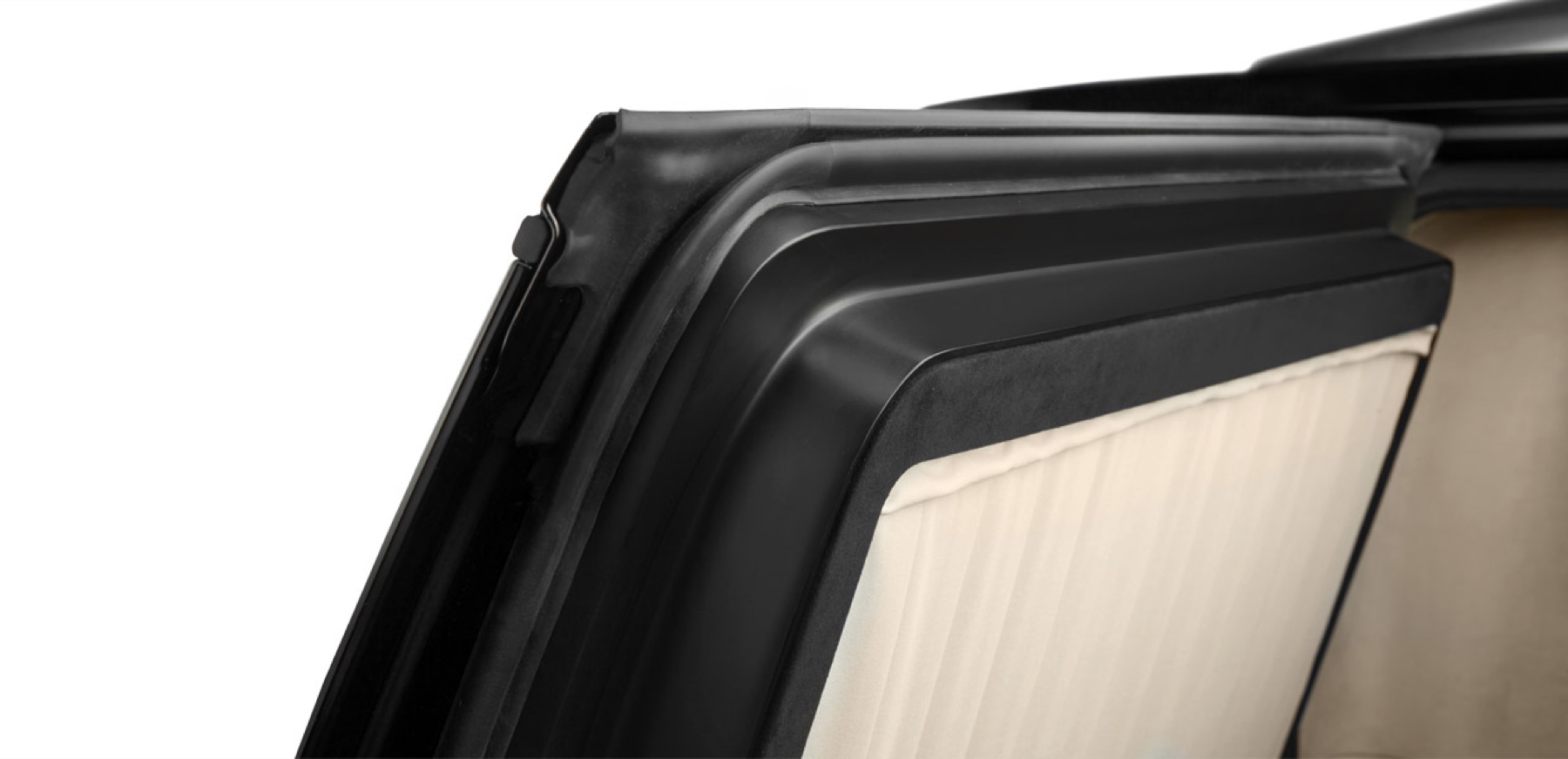
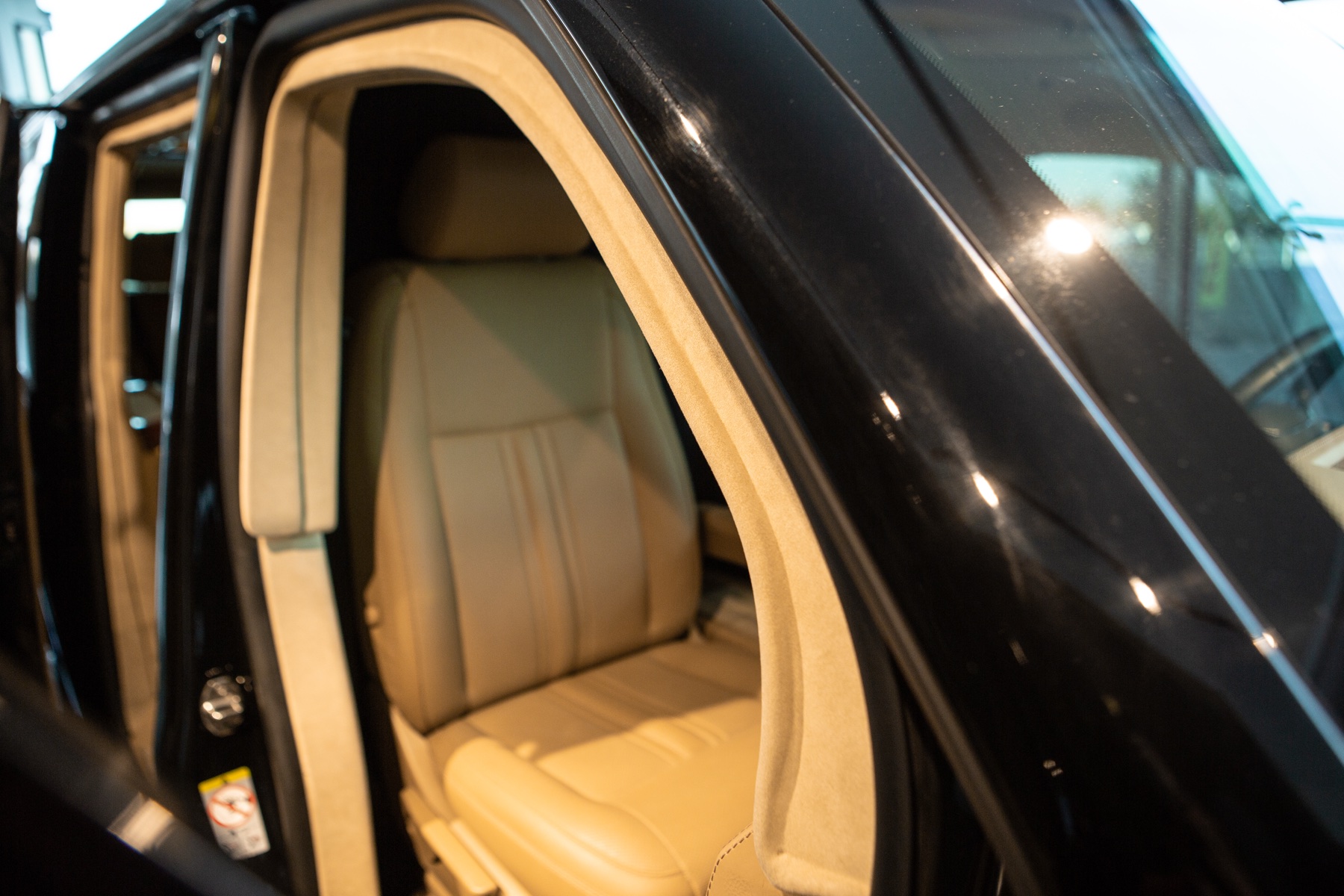
Door apertures, glazing surrounds, hinges, latches and body transitions are assessed together. Material selection and installation details depend on the approved protection target, the vehicle structure and the applicable test configuration.
This overview presents a general comparison between VPAM protection classes and EN 1063 / EN 1522-23 references. Projectile construction, mass, velocity, impact angle, number and spacing of impacts, armor type and the applicable edition of each standard determine the actual classification.
| VPAM class | EN 1063 / EN 1522-23 | Weapon type | Projectile profile | Caliber | Qualification | Mass |
|---|---|---|---|---|---|---|
| VPAM 1 | B1 | Small-calibre rifle | Lead / round nose | .22 LR | L/RN | 2,6 ± 0,1 g |
| VPAM 2 | - | Handgun | Full metal jacket / round nose | 9 mm Luger | FMJ/RN/SC · Tinned | 8,0 ± 0,1 g |
| VPAM 3 | B2 | Submachine gun | Full metal jacket / round nose | 9 mm Luger | FMJ/RN/SC · Tinned | 8,0 ± 0,1 g |
| VPAM 4 | B3 | Revolver | Full metal jacket / conical bullet | .357 Magnum | FMJ/CB/SC | 10,2 ± 0,1 g |
| VPAM 4 | B4 | Revolver | Full metal jacket / flat nose | .44 Remington Magnum | FMJ*/FN/SC | 15,6 ± 0,1 g |
| VPAM 5 | - | Revolver | Metal jacket / conical bullet | .357 Magnum | FMs/CB | 7,1 ± 0,1 g |
| VPAM 6 | - | Assault rifle | Full metal jacket / pointed bullet | 7,62 × 39 mm | FMJ/PB/FeC | 8,0 ± 0,1 gÇekirdek / Core: 3,6 g |
| VPAM 7 | B5 | Rifle | Full metal jacket / pointed bullet | .223 Remington (5,56 × 45) | FMJ/PB/SCP | 4,0 ± 0,1 g |
| VPAM 7 | B6 | Rifle | Full metal jacket / hard core | .308 Winchester (7,62 × 51) | FMJ/PB/HCI | 9,55 ± 0,1 g |
| VPAM 8 | - | Assault rifle | Full metal jacket / hard core | 7,62 × 39 mm | FMJ/PB/HCI | 7,7 ± 0,1 gÇekirdek / Core: 4,1 g · Sertlik / Hardness: 65 |
| VPAM 9 | B7 | Rifle | Full metal jacket / hard core | .308 Winchester (7,62 × 51) | FMJ/PB/HC | 9,45 ± 0,1 gÇekirdek / Core: 4,6 g · Sertlik / Hardness: 60 |
| VPAM 10 | - | Rifle | Full metal jacket / hard core | 7,62 × 54 R | FMJ/PB/HCI | 10,4 ± 0,1 gÇekirdek / Core: 5,3 g · Sertlik / Hardness: 63 |
| VPAM 11 | - | Rifle | Full metal jacket / tungsten-carbide core | .308 Winchester (7,62 × 51) | FMJ/PB/WC | 8,4 ± 0,1 gÇekirdek / Core: 5,9 g |
| VPAM 12 | - | Rifle | Full metal jacket / tungsten-carbide core | .308 Winchester (7,62 × 51) | FMJ/PB/WC | 12,7 ± 0,1 gÇekirdek / Core: 5,58 g · Sertlik / Hardness: 1330 HV 10 |
| VPAM 13 | - | Heavy rifle / machine gun | Full metal jacket / hard core | .50 Browning | FMJ/PB/HC | 43,0 ± 0,5 gÇekirdek / Core: 35,0 g · Sertlik / Hardness: 55 ± 2 |
| VPAM 14 | - | Heavy machine gun | Full metal jacket / hard core | 14,5 × 114 mm | FMJ/PB/HCI | 63,4 ± 0,5 g |
The ammunition abbreviations are reproduced as technical reference codes. Not every class is feasible or approvable on every vehicle platform. The project class is confirmed after risk analysis, platform and payload assessment, applicable law, accredited testing or certification requirements and destination-market approvals. This page does not constitute a certification or performance claim for a specific vehicle.
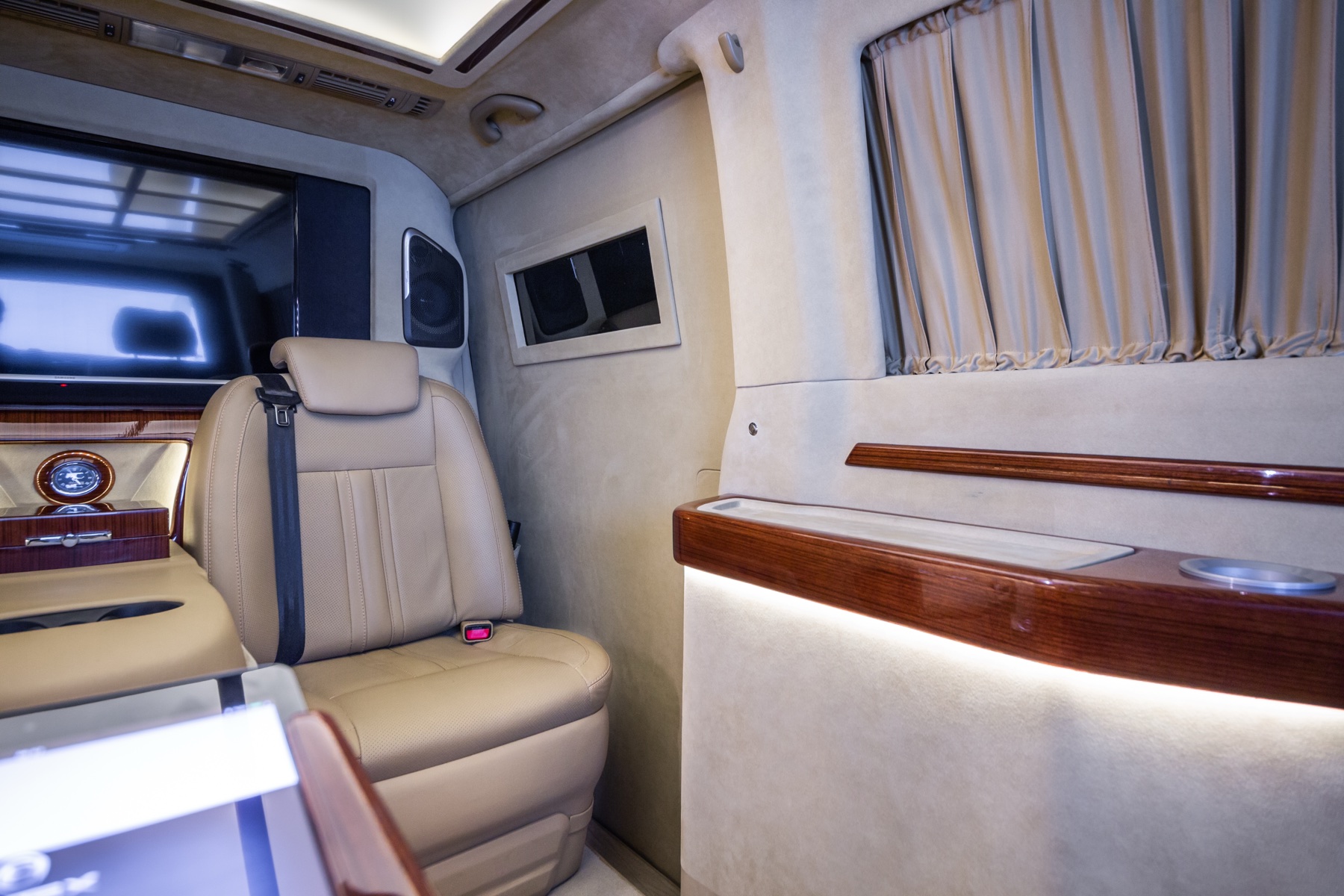
Partitions, displays, communications, climate, sound and comfort equipment are coordinated with structure and glazing. Installation routes and service access are considered before the interior is completed.
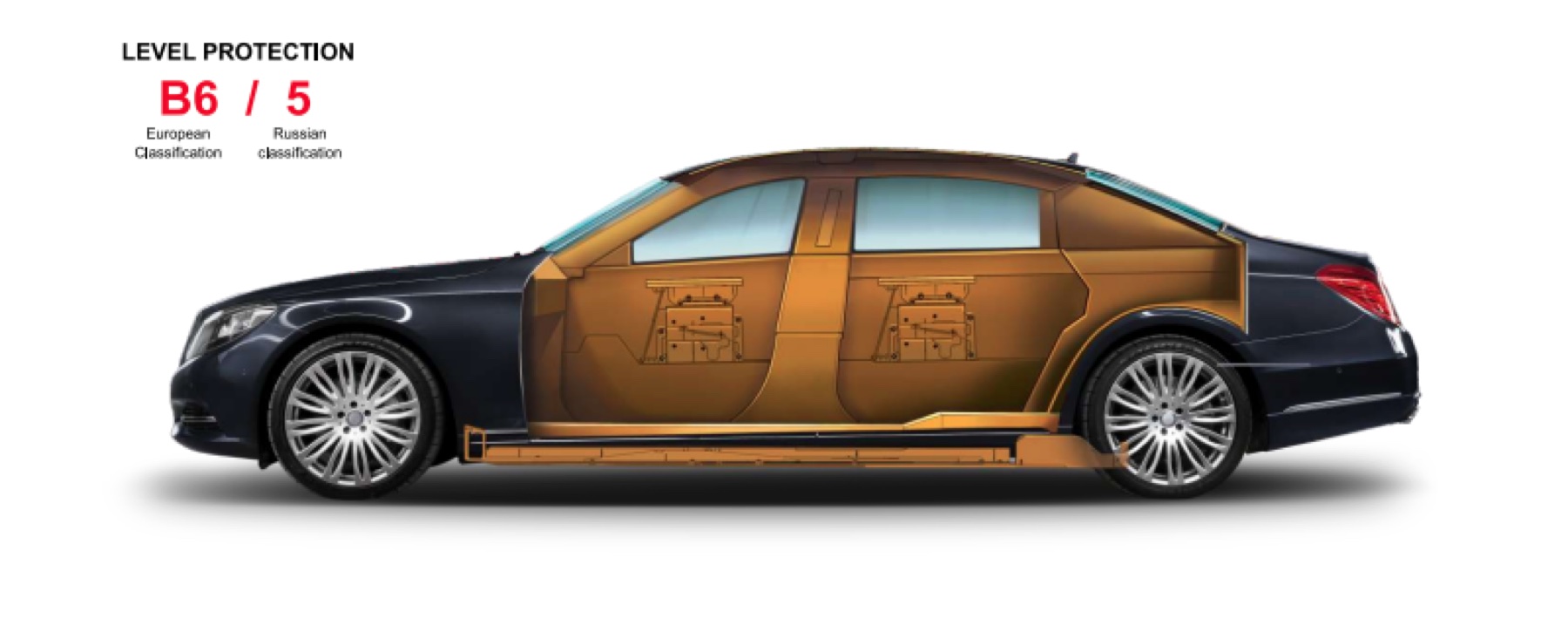
Ertex armored vehicle products have successfully completed the required testing and homologation processes. Vehicle configuration, protection objective, inspection points and the VIP cabin are designed and produced together within this approach.
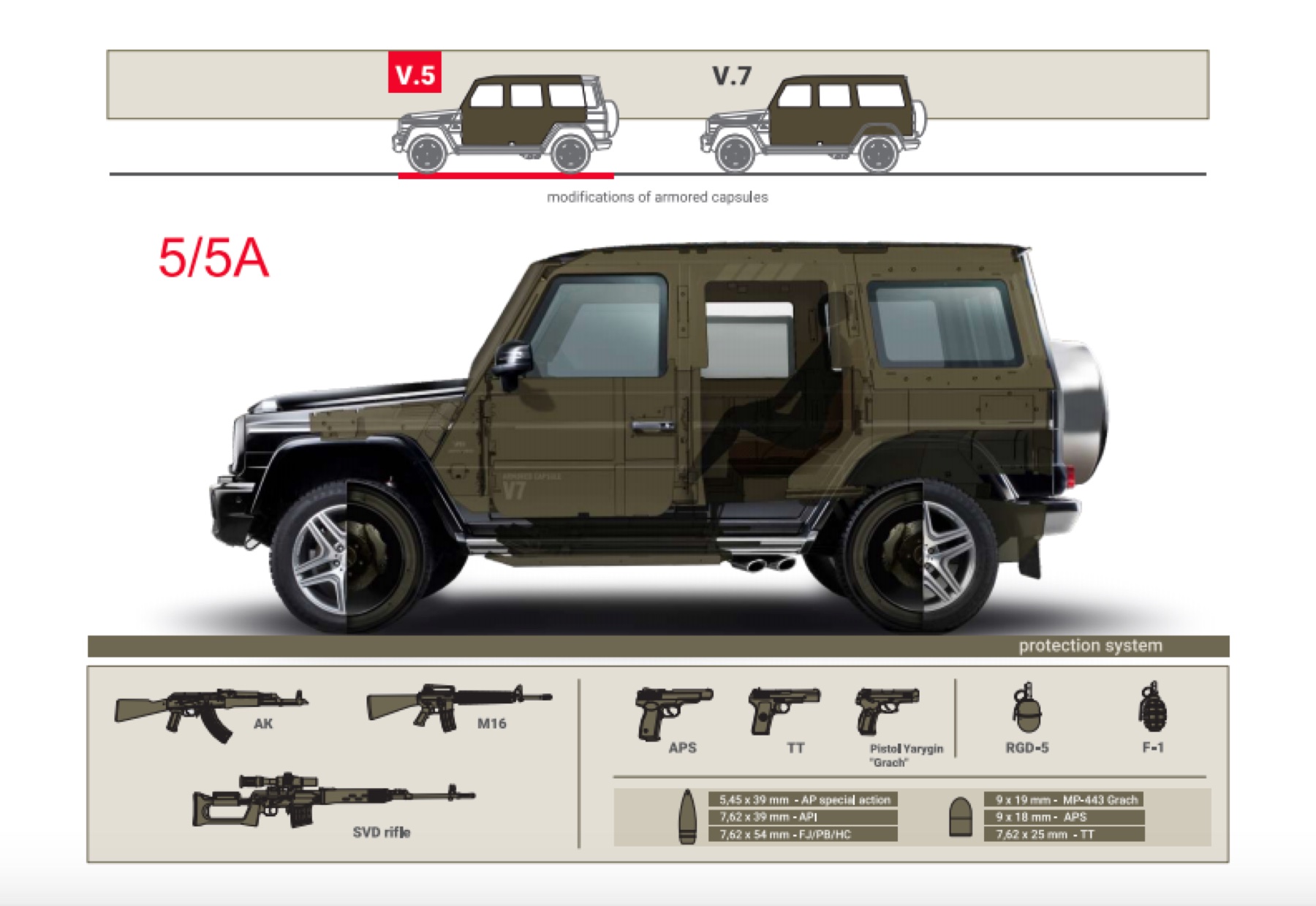
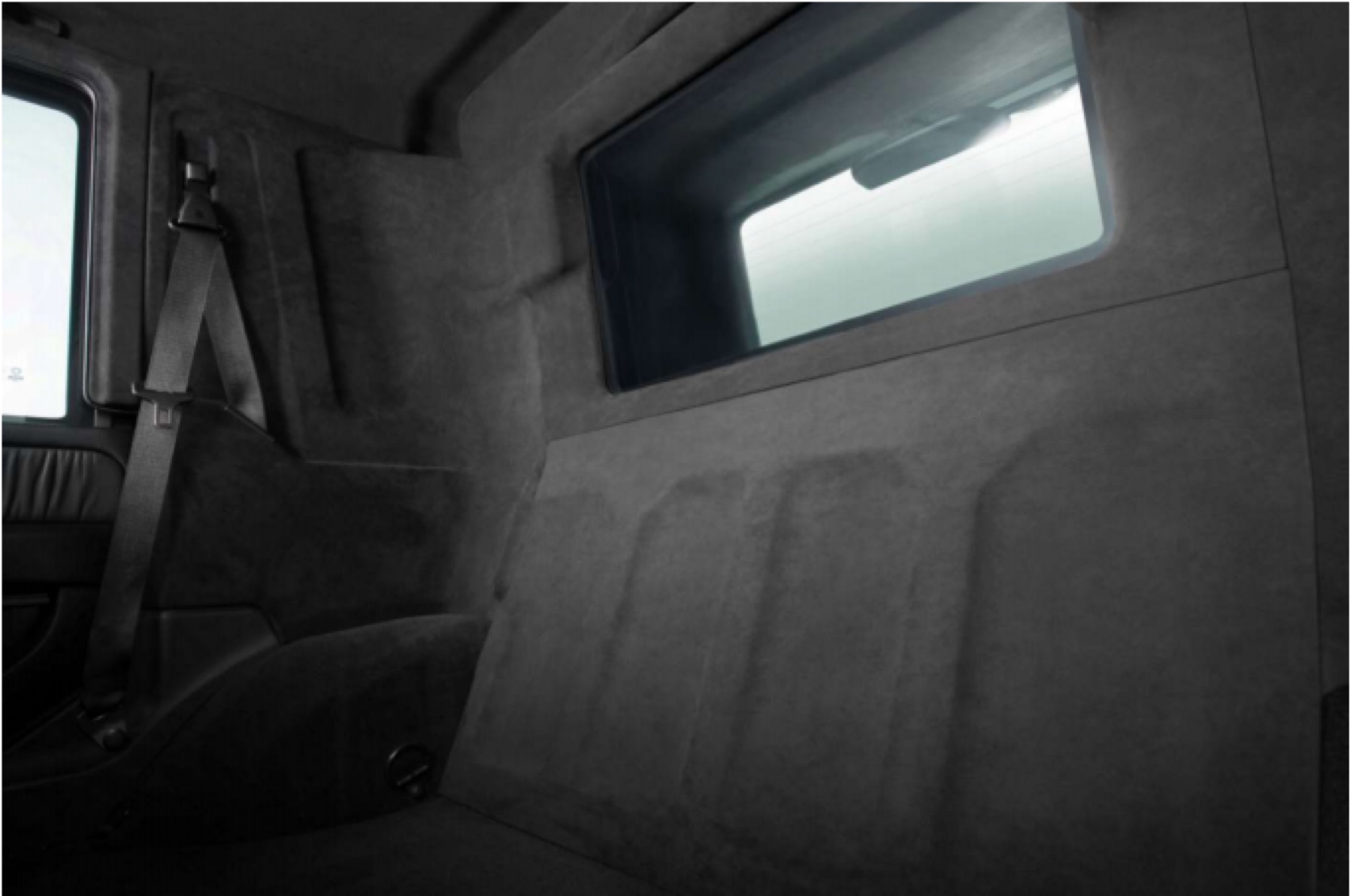
Clear answers about armored Mercedes Sprinter projects, protection terminology, technical systems and the testing and homologation processes completed by Ertex.
A VIP armoured vehicle combines a project-specific ballistic protection package with a private passenger cabin. Structure, transparent armour, seating, climate, electronics, access and payload are planned together for the selected platform and destination market.
Yes. Armoured is the British spelling and armored is the American spelling. Ertex uses both terms so international clients can find the same project-specific VIP protection service.
A suitable Mercedes-Benz Sprinter may be evaluated for an armoured VIP van, executive passenger transporter or protected minibus project. The base vehicle, payload, protection objective and legal requirements are evaluated within Ertex's approved production approach, supported by completed testing and homologation.
No. Bulletproof is a common search term, but professional specifications use a defined ballistic resistance class and test configuration. No single class describes protection against every threat, and a class must not be assumed without project-specific evidence.
The target is selected after risk analysis, platform and payload review, destination-country rules and the applicable VPAM or EN test route are considered. The final class is confirmed only through the agreed engineering and evidence process.
Depending on feasibility, a project may coordinate opaque and transparent armour, reinforced doors and hinges, overlaps, run-flat mobility, suspension, a privacy partition, communications, climate, executive seating, multimedia and service access.
A suitable base vehicle can be evaluated project by project after the protection objective, payload, technical integration and destination approvals are reviewed together.
Ertex delivers the vehicle to you within an average of 15–45 days, depending on its equipment, and has completed the required homologation tests.
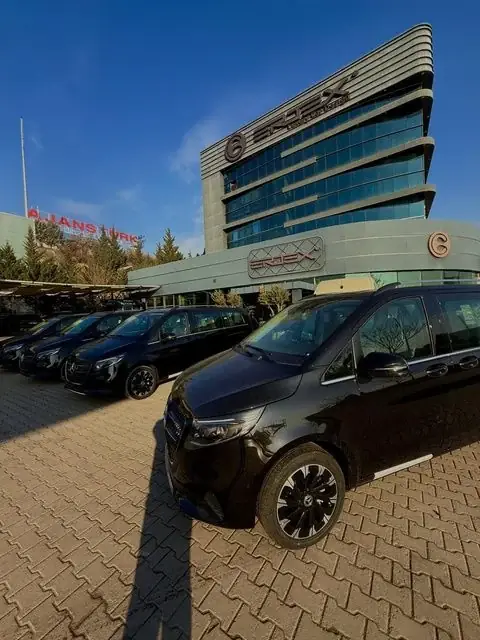
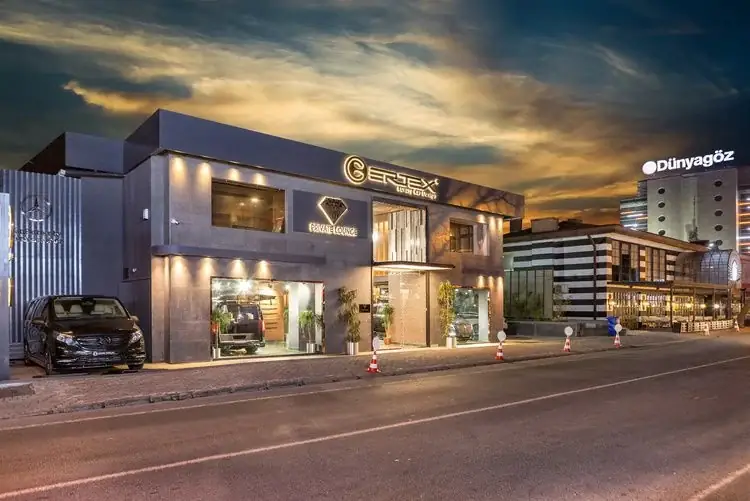
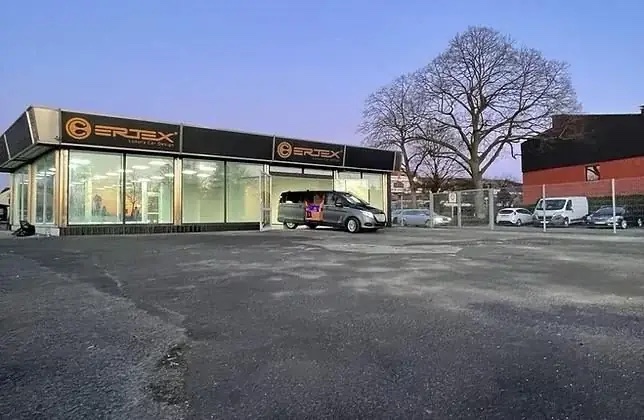
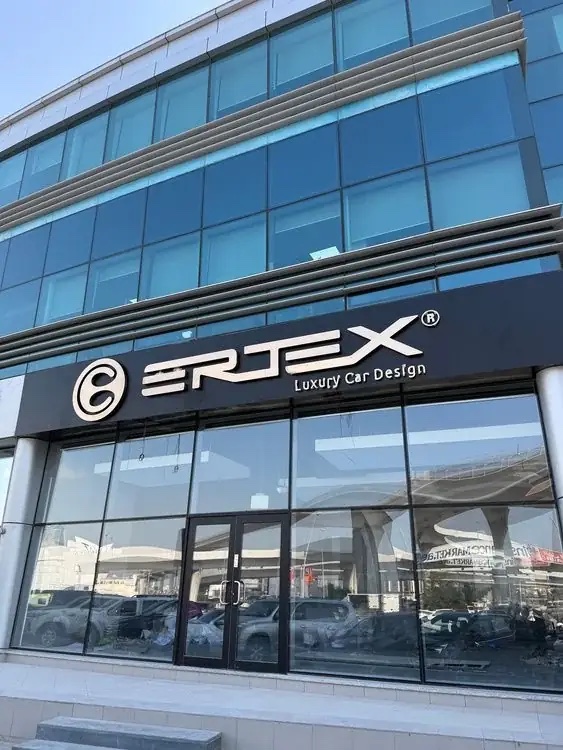
We'd be delighted to welcome you at your nearest showroom to configure your vehicle.
Your request has been sent. If your email app opens, please send the prepared message as a fallback.