We asked ourselves: 'How do you surprise someone who has surprised everyone with their success?' We are certain you will be amazed by a new living space — one beyond your wishes, where your expectations take on a new dimension.
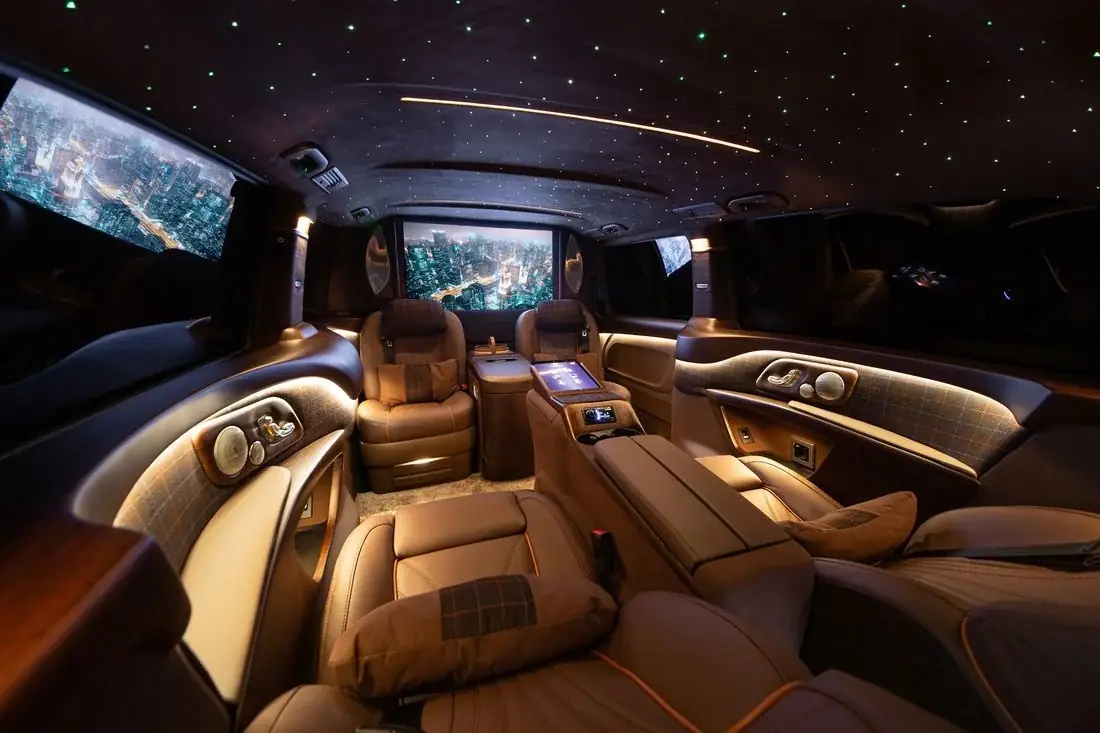
Hear only the sound, not the noise
With 360-degree sound-insulation technology and a 4D Surround Sound System, turn your journey into a concert experience.

A private world for special passengers
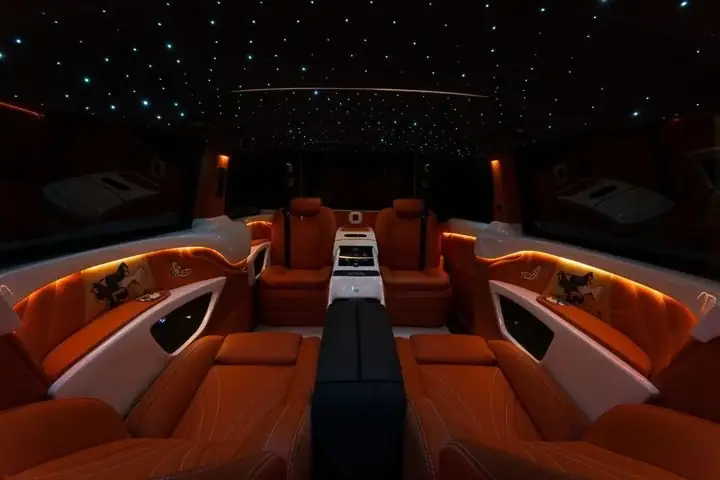
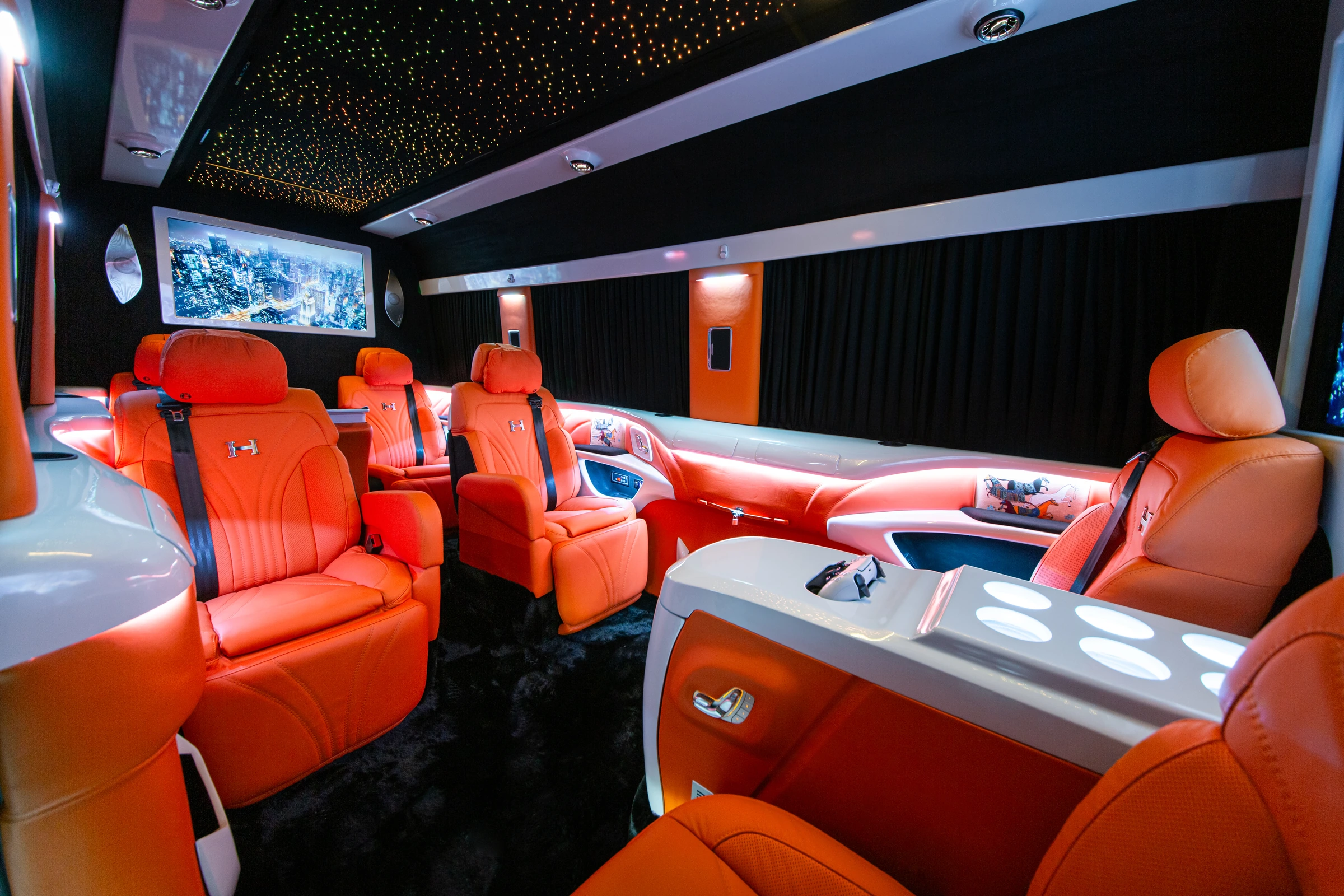
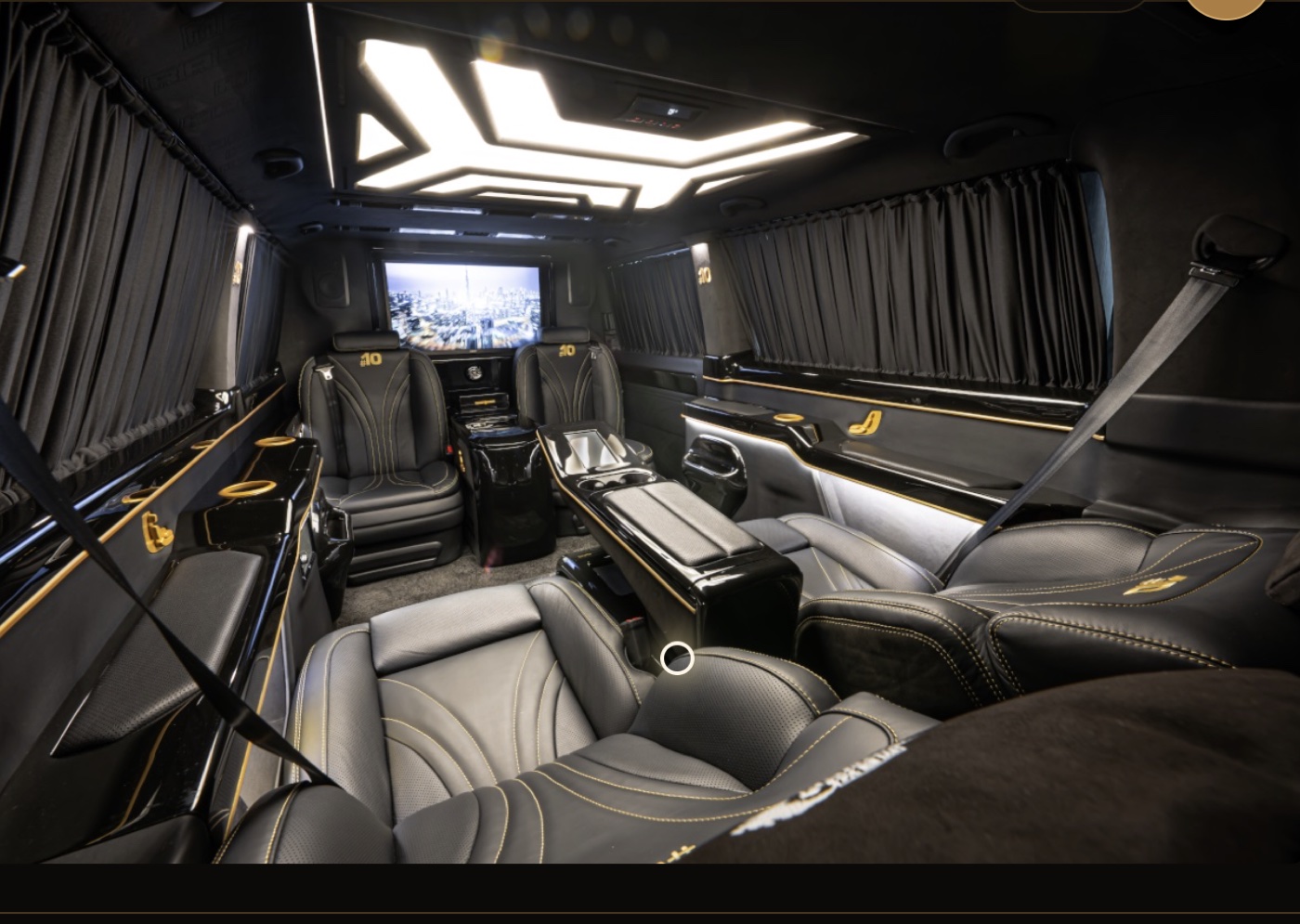
Recline your executive seat to its most comfortable position; with the Ertex entertainment system, work or relax as you wish.
If you are sitting in this seat, success is no coincidence for you — it is a way of life. You are here not merely to win, but to enjoy winning.


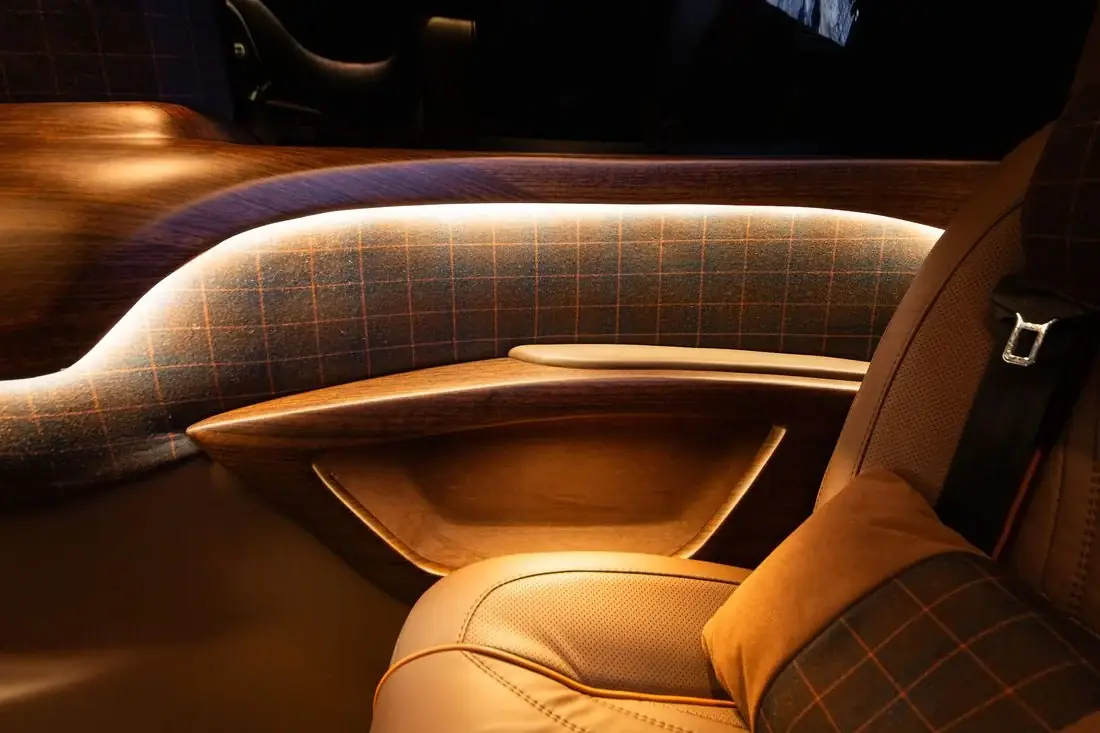
A noble touch from Italy
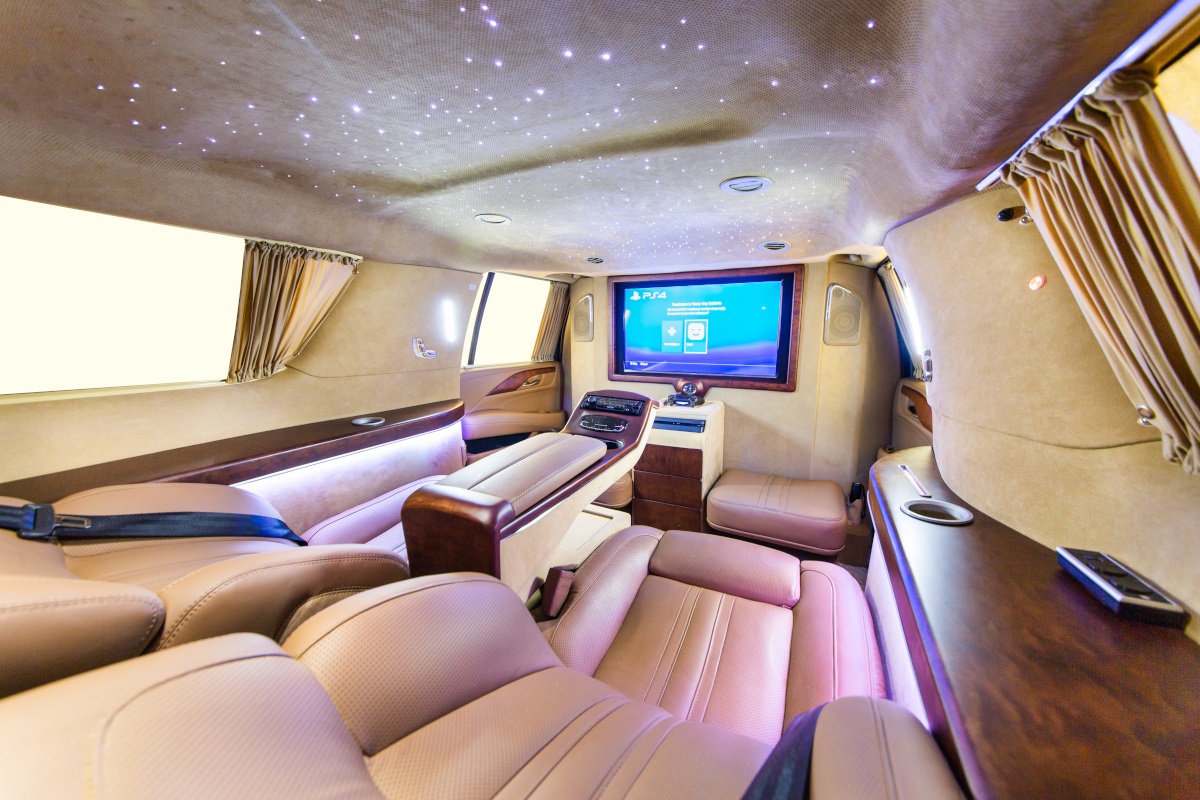
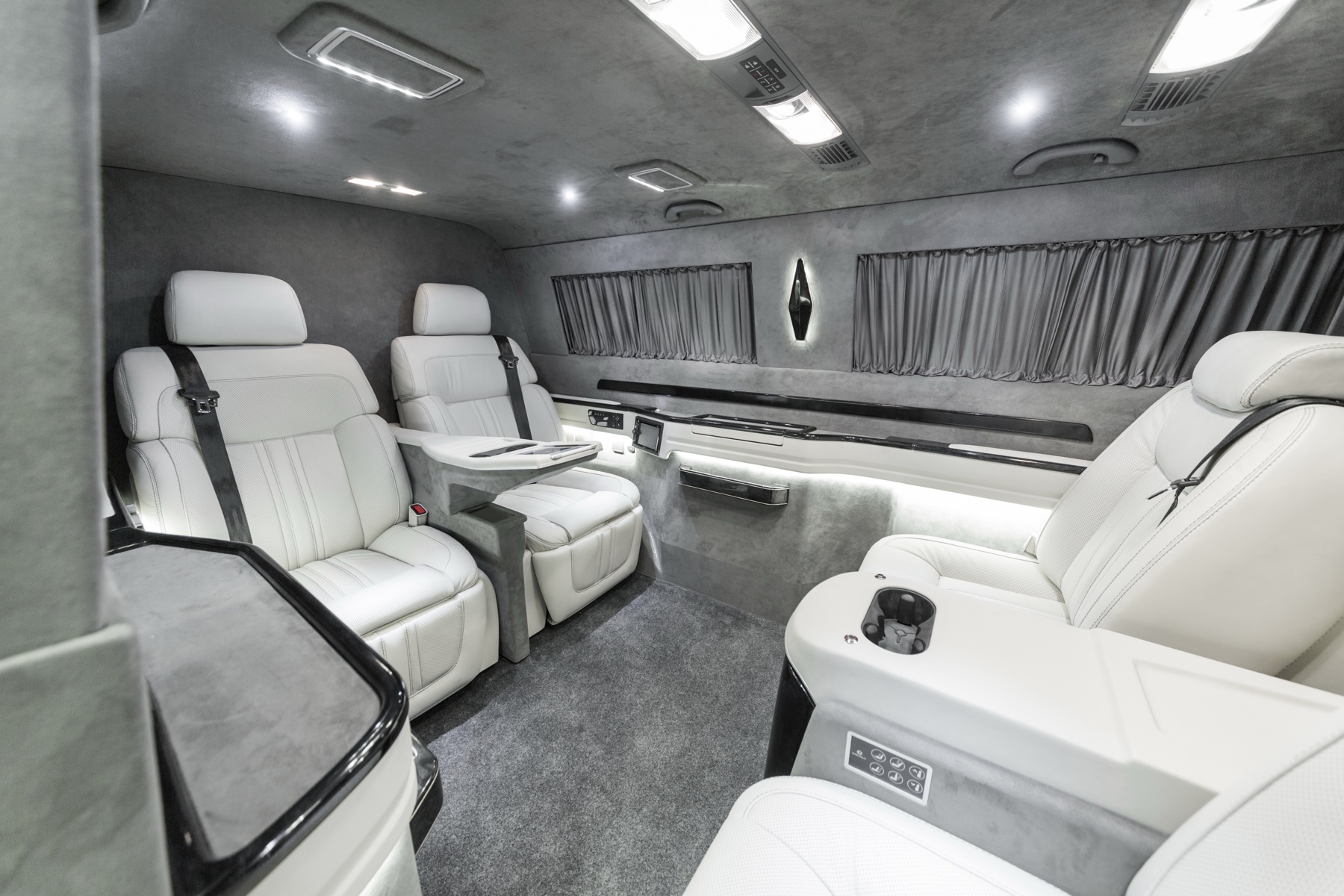
The premium Italian fabric we source from Italy for you wraps the vehicle end to end, adding a noble visual character.

Beyond every limit
One-touch tables, automatic heel-supported leg rests, calf support, neck-and-shoulder support, heated and ventilated seats — every journey becomes a soothing experience.


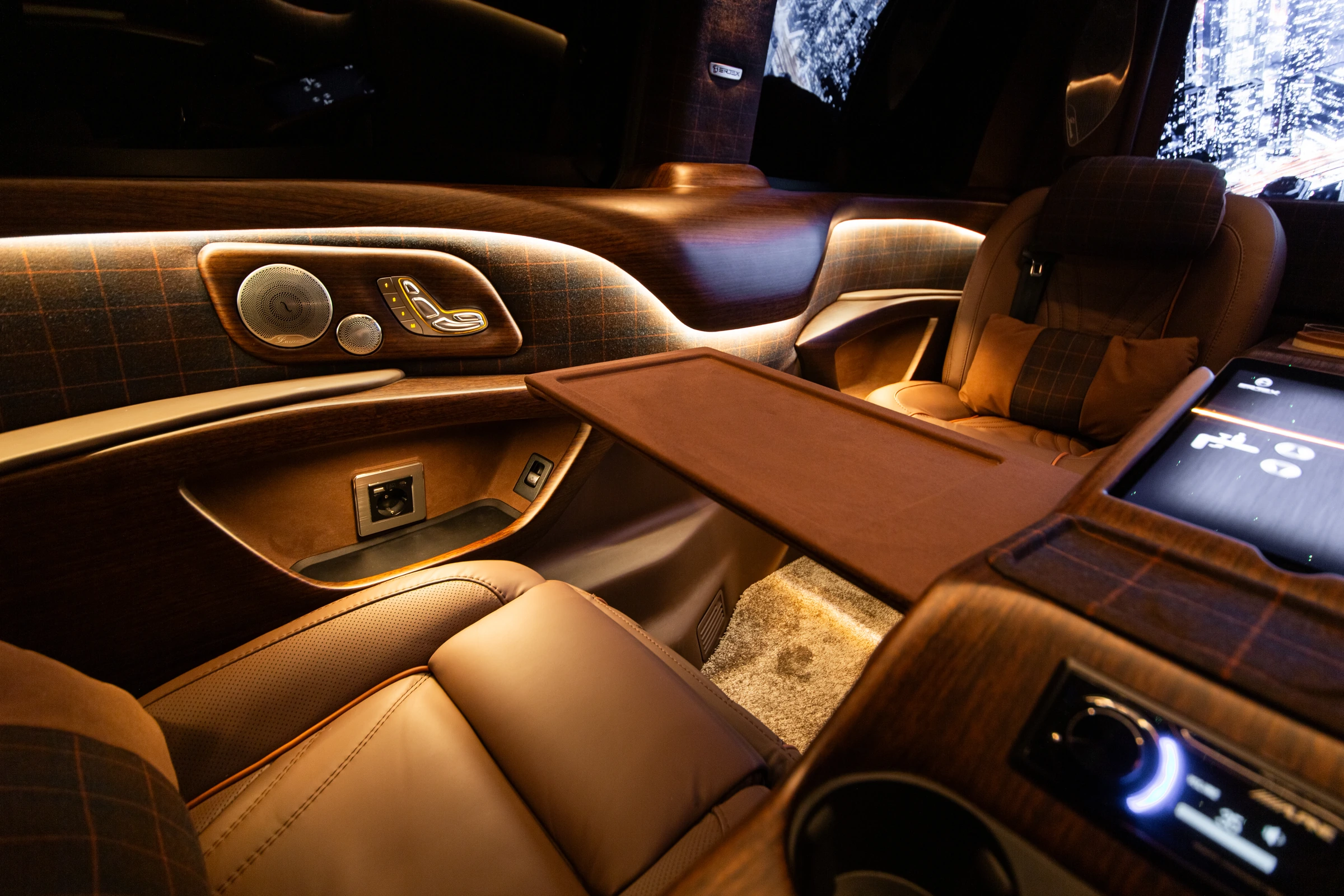
40" Samsung LED TV & elevating partition
A steel-framed, twin Bosch-motor, specially sound-insulated elevating partition system you can lower whenever you wish to watch the road.
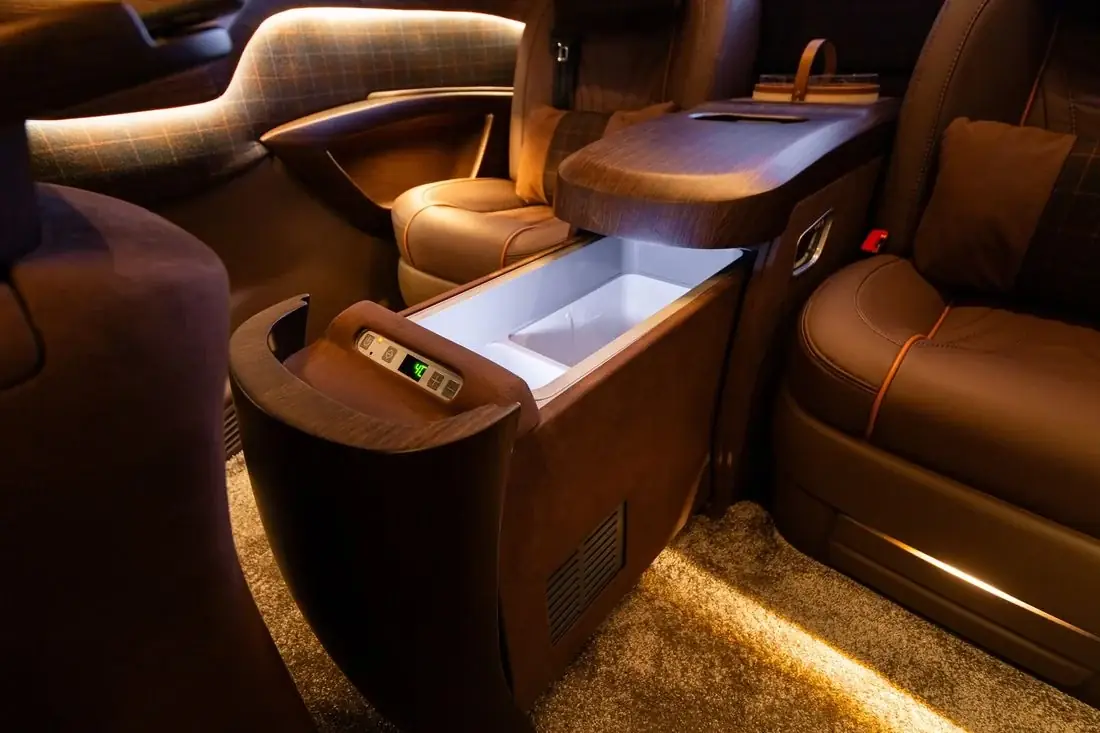
25 lt mega refrigerator
A mega refrigerator opening at one touch and easily reached from the executive cabin, keeping your drinks cold or making ice.
The Ertex 35th Anniversary Series turns traffic from a tedious commute into an enjoyable experience.
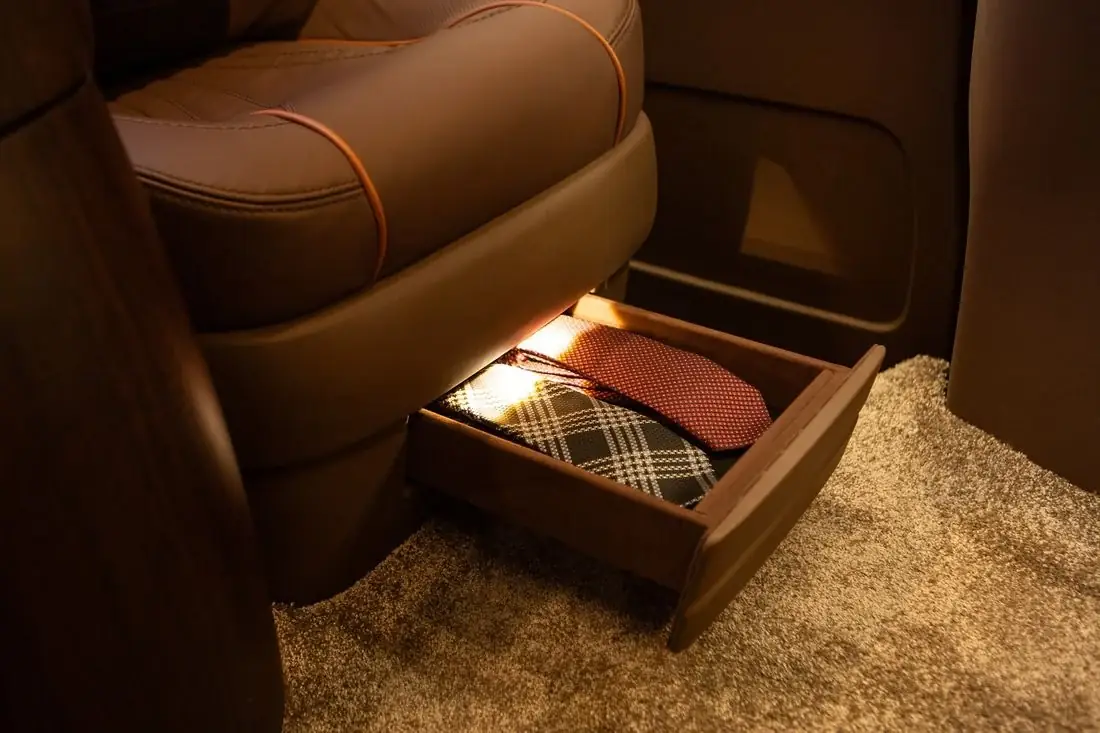
Under-Seat Drawer
A multi-purpose drawer for your personal belongings, opening at a single touch.

iPad Interior Control
Easily manage comfort and entertainment functions with the electric centre console and iPad control assistant.
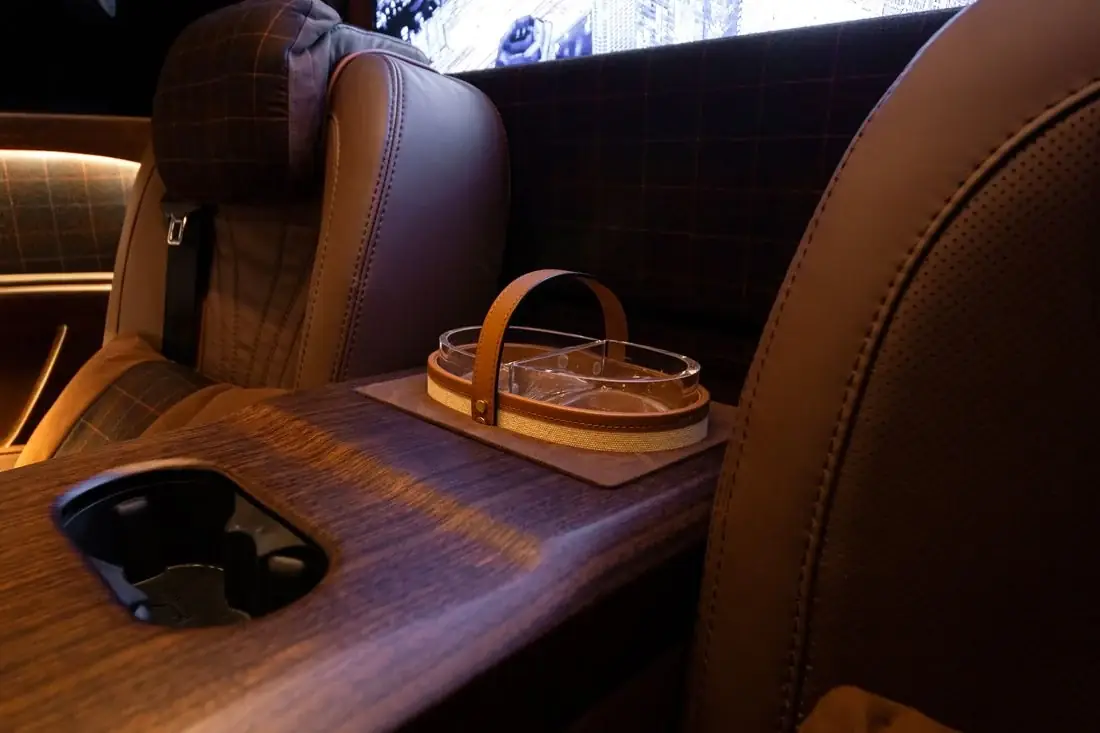
VIP Candy Box
A multi-purpose candy box that makes your vehicle unmistakably VIP.

Luggage Hanger
A hanger for up to 8 suits that preserves the vehicle's wooden integrity.
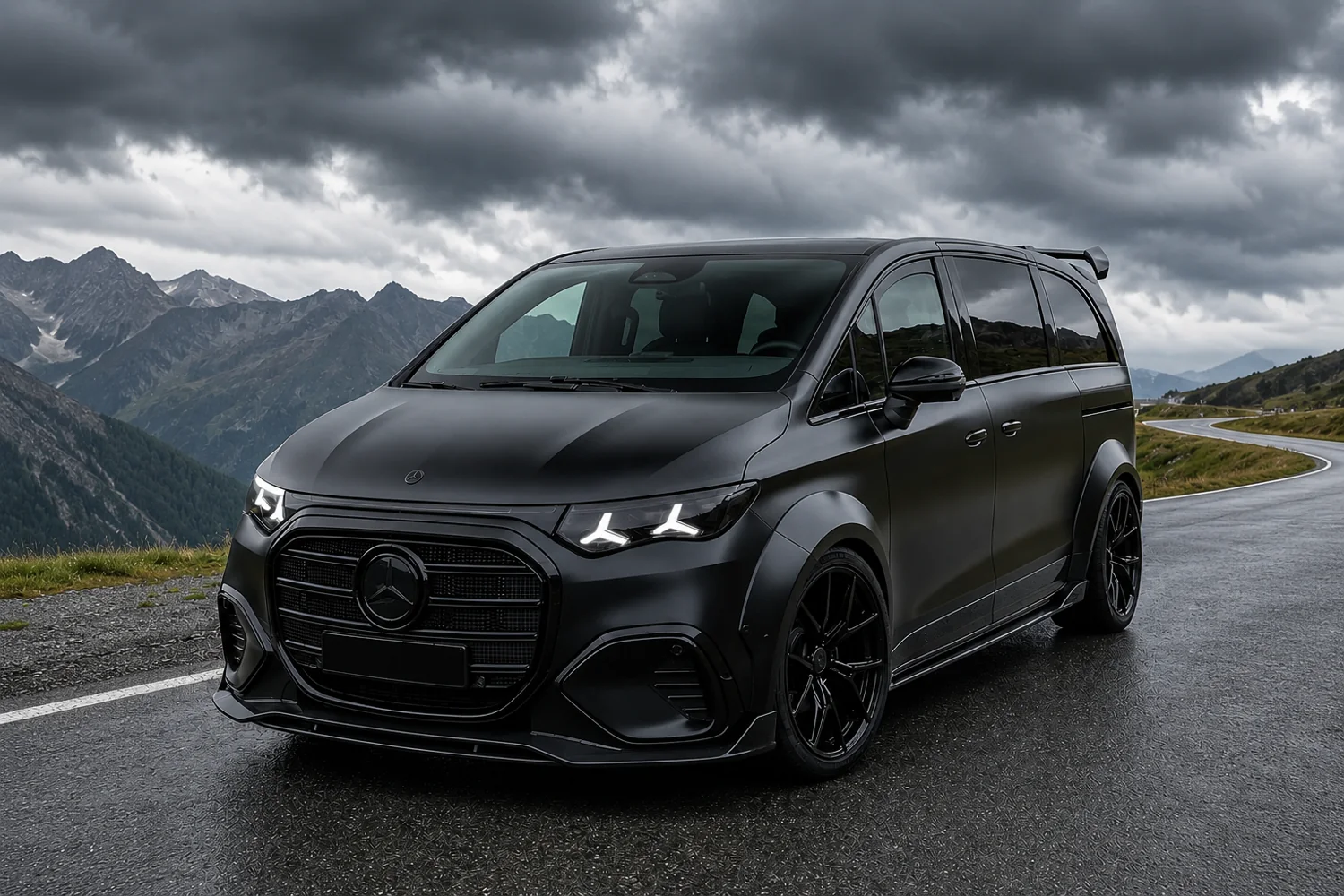
Where elegance meets power
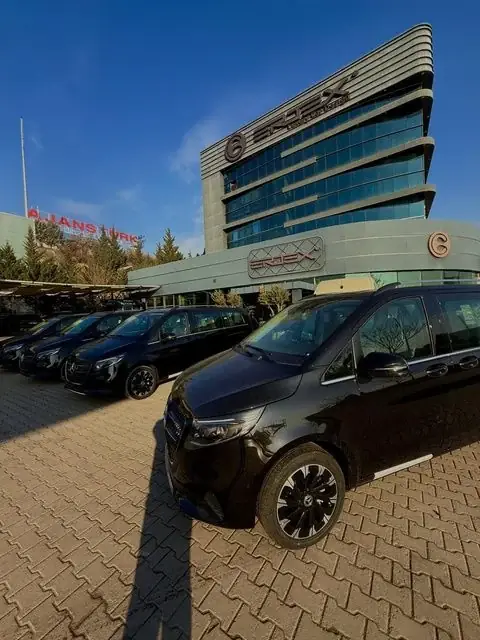
With its iconic star grille, matte-black blackout body and sharp lines, the VLE commands both power and elegance on the road.
Request your VIP
Let us personalise your VIP. Send us your request in a few steps.
Interior design features
4D Surround Sound
A concert-like experience supported by 360° acoustic insulation.
Executive Seats
Heated, ventilated, massaging; with foot and calf support.
Premium Italian Fabric
Italian-origin, full-length upholstery.
40" Samsung LED TV
Elevating, sound-insulated partition system.
25 L Mega Refrigerator
With cooling and ice-making.
iPad Control
Electric centre console and digital interior management.
Applied on the Mercedes VLE.
Manufacturing to European standards
Our vehicles are designed to European standards; our products have successfully passed homologation tests conducted by Applus IDIADA, affiliated with the Spanish Ministry.
Mercedes VLE questions, answered
Which vehicle should I choose: Mercedes Vito, V-Class or VLE?
Mercedes Vito is a versatile platform widely preferred in Turkey; V-Class offers a more premium passenger-car character, while VLE is Mercedes-Benz's fully electric Grand Limousine. Ertex reviews your intended use, passenger count, delivery country, luggage needs and expectations, then develops the most suitable family, executive or multi-purpose design together with you.
Does Ertex install folding seats?
No. Ertex does not use folding or non-fixed seat systems that do not meet the required Mercedes-Benz safety, seat-mounting and homologation tests. Every seating solution is developed around approved mounting points and passenger safety; safety is the first priority.
Can the original Vito or V-Class roof be cut and raised?
No. Mercedes-Benz does not approve cutting and raising the original roof, and such applications do not meet the required safety and homologation standards. Ertex does not perform modifications that Mercedes-Benz does not approve.
Should I choose a long or extra-long Mercedes Vito or V-Class?
Ertex can design both lengths for your intended use. The extra-long vehicle is generally recommended when more luggage capacity and rear legroom are priorities; however, Ertex can develop a safe and ergonomic interior for either length.
What is the Mercedes VLE?
The VLE is Mercedes-Benz's new fully electric Grand Limousine, combining MPV-like versatility with limousine-like driving comfort and a spacious interior. Read the Mercedes VLE guide →
What is the difference between VLE, V-Class and Vito?
VLE is a fully electric Grand Limousine platform. Petrol V-Class variants are more common in Dubai and the Middle East, diesel V-Class variants in Europe, and Vito in Turkey. Ertex designs each vehicle around executive, family and private travel needs. Compare VLE, V-Class and Vito →
Which uses can Ertex personalise a Mercedes VLE for?
Passenger layout, executive seating, privacy, work, entertainment, materials and storage can be planned around an executive vehicle, family travel, mobile office, VIP shuttle or private lounge. Explore Ertex craftsmanship and production technologies →
How are VLE pricing and delivery timing defined?
Ertex delivers the vehicle to you within an average of 15–45 days, depending on its equipment, and has completed the required homologation tests.
How do VLE production, testing and homologation progress?
Ertex delivers the vehicle to you within an average of 15–45 days, depending on its equipment, and has completed the required homologation tests.
Do Mercedes Vito, V-Class or VLE have a Maybach model?
No. Mercedes-Benz does not offer a factory Mercedes-Maybach version of the Vito, V-Class or VLE. Ertex creates bespoke VIP interiors for these platforms around the client's intended use; this is an Ertex design and production project, not a factory Maybach model. Compare the platforms in the VLE, V-Class and Vito guide →
How can I request a VIP Mercedes VLE?
The Ertex team reviews your intended use, destination country, seating and equipment needs to define a bespoke project scope. Open the Request Your Vehicle form →


Discover our other models
Explore VIP Mercedes V-Class, Sprinter and other bespoke vehicle projects.
Get in touch
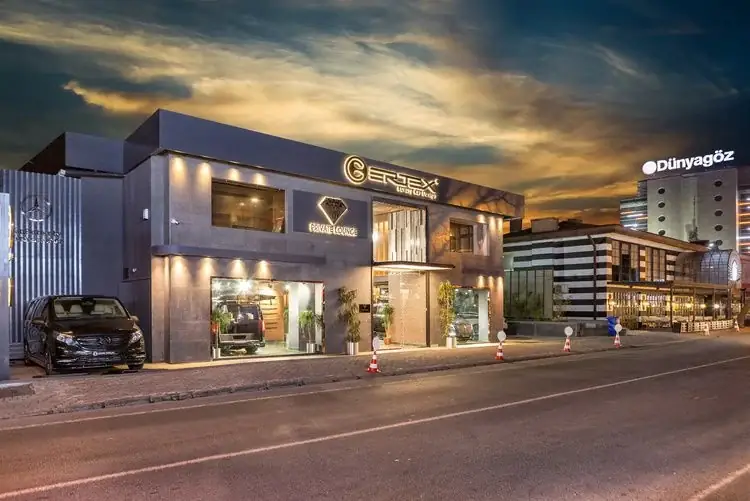
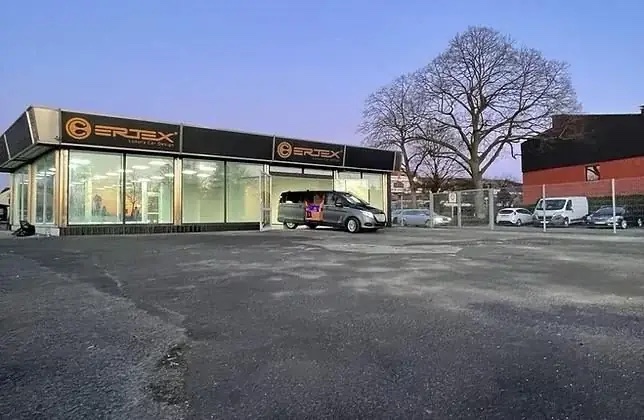
We'd be delighted to welcome you at your nearest showroom to configure your vehicle.